DVD Review: Sofia’s Last Ambulance

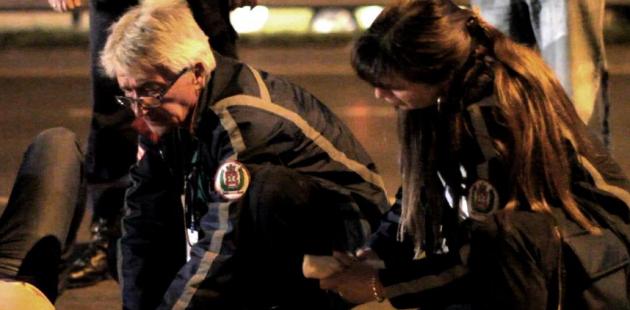
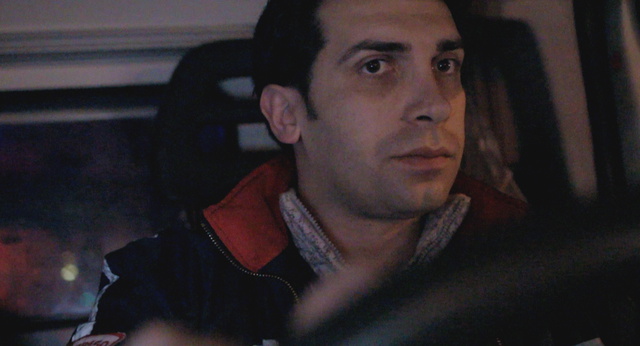
Shot primarily using three dashboard mounted cameras, Ilian Metev’s award winning documentary Sofia’s Last Ambulance captures the unaffected focus and inherent compassion of two medics and their driver, as they navigate gruelling shifts providing service to a turbulent society. Bulgaria’s capital city, Sofia is the setting for this beguiling film where a population of over one million is served by only thirteen ambulances. Dr Krassi Yordanov, Nurse Mila Mikhailova and driver Plamen Slavkov are each framed head on, creating a portrait of their gaze through the ambulance windshield, where Metev’s camera captures the anxiety and determination of the team in attempting to maintain communication with the base, and patience in traversing the pot-hole riddled roads on the way to their next emergency. Between patients, shots are held long enough to capture moments of interior thought expressed aloud, such as Krassi’s absent-minded assertion of his preference for gardening during his day off. Such an approach gives primacy to the team’s humanity, providing an insight into how Krassi, Mila and Plamen see the world and going some way to explain how they manage to operate under such difficult circumstances.
b640x600

Sofia’s Last Ambulance was filmed over three years, which allowed Metev and the small crew a large catalogue of footage from which to edit. It’s testament to the fluidity and coherence of the editing by Metev and Betina Ip that they managed to wrangle hundreds of hours down to a trim 77 minutes.  It’s also apparent in imagining what footage wasn’t used, how in tune with his protagonists Metev is – their frustration at the failing support infrastructure, which appears to leave them adrift from reasonable communication for long periods of time, their anger at the inconsideration of other drivers on the road, and their calm handling of patients that are understandably apprehensive of the broken health care system. Out of a moral instinct to protect the anonymity of the patients the team attend to, Metev keeps them out of frame, focusing instead solely on Plamen, Krassi and Mila, which allows an engagement with their perspective and their reactions, perhaps much deeper than if the patient’s presence was more heavily featured. Which is not to say the patients are absent, rather they are simply heard but not seen, Tom Kirk’s sound work picking up the essential heightened emotions and nuances of muted verbal exchanges to create a highly effective aural atmosphere.

Mila

Metev also forgoes direct interviews with the team, instead allowing their feelings and opinions about their work to be revealed in their actions. Krassi doesn’t hold back his frustration when remonstrating his colleagues at the switchboard for keeping them in the dark for thirty minutes with no information, and in a quieter moment, we learn something of the way Mila perceives herself and others as she is seen watching a woman in the street, imagining another life – a life perhaps very different to her own. This way of observing is strikingly effective, as despite the mounted cameras being presumably hard to miss, the team appear unaware of being filmed – something that Metev has attributed in interview to their work simply demanding all their attention. Amongst scenes of Mila attempting to calm wounded patients in the back of the ambulance, as it drills along pot-holed roads, humour emerges as the common factor both in the way we observe Krassi, Mila and Plamen relate to each other, and eventually in the warmth of feeling Metev creates around them, through the repetition of certain behavioural traits. Almost constant chatter about the next cup of coffee, and the incongruity of seeing three health care professionals chain smoking between calls, presents a vision of three friends supporting each other, bringing a humility to their extraordinary working conditions that is overwhelmingly poignant.fn078389_pic_02
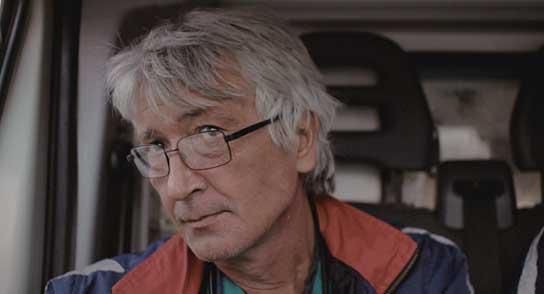
Also included in Second Run DVD’s release of Sofia’s Last Ambulance, is Metev’s 2008 short film, Goleshovo, an incredible portrait of the titular Bulgarian town, whose elderly population totals less than sixty, and each of the inhabitants face a daily struggle for survival. Again, by unobtrusively observing the town’s people, Metev demonstrates an acute sensitivity towards their subtlety of expression, slowly developing a bond with his protagonists that is eventually deeply moving.
DVD Review: Independencia

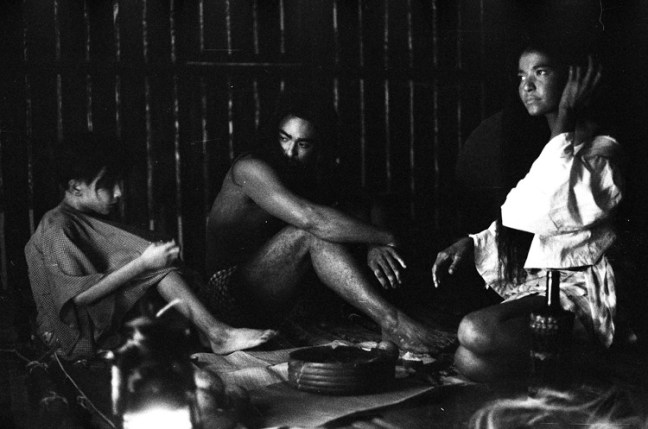
A film harking back to the days of early cinema. The black and white flicker of 35mm grain softening expertly lit scenes, in which actors perform in period costume on a sound stage. Independencia (2009) creates both an obvious artificiality, and an authentic nostalgia. Developed through the Résidence du Festival de Cannes in 2008 Raya Martin’s exquisite film positions a history of Philippine autonomy – or lack thereof – alongside a history of cinema, presenting a fable of familial survival as an image as questionable as that of propagandist ethnographic ‘news’.

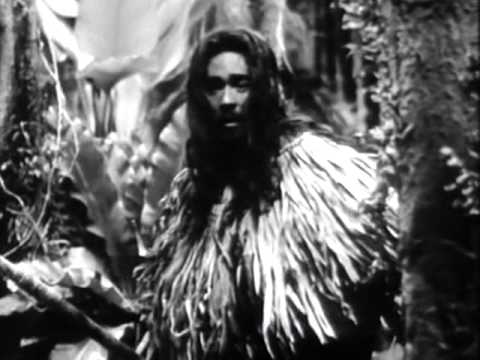
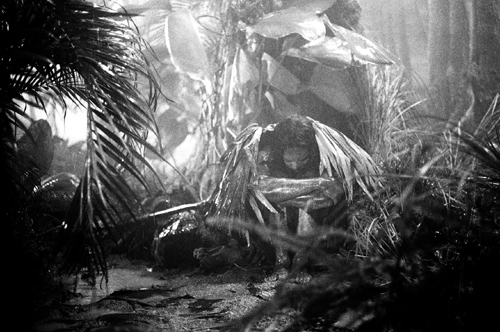
independencia-foto2-560x372Set at the outset of the invasion by US forces in the Philippines in the early 20th century, a mother (Tetchie Agbayani) and adult son (Sid Lucero) escape to the jungle to begin a new life. Eventually the son discovers a lone, pregnant woman in the jungle too (Alessandra de Rossi), and as time passes, the trio changes from a mother, son and ‘daughter’ of sorts, to a mother and father and young son. Learning to hunt for survival is the first struggle to overcome, and the son’s transformation from a naïve but enthusiastic adventurer to a skilled hunter and father is signalled both by Lucero’s performance, which gradually becomes more assured in his environment, and by a closer physical assimilation with the forest. indendencia_3

Martin’s overall aesthetic is one of a highly sensitive attention to detail, as, though it is obvious from the start that the environments are fabricated, the painted backdrops are but one element of the cinematic world Independencia consists of. Ronald de Asis’ and Arnel Labayo’s sound design evokes the claustrophobic heat of a dense, rural habitat, whilst Digo Ricio’s production brings the natural world to life through authentic sets that include the presence of birds and smaller animals. Lutgardo Labad’s pastoral score provides an underlying romantic melancholy, which, combined with Jeanne Lapoirie’s charcoal toned cinematography, results in a film that seems to encase its characters in the image that it presents; they move from one lush forest scene to another, as though within an unending, unambiguously cinematic loop. Though they have come to the jungle to for freedom, their boundaries are just as limited as those who remained in the town, and are defined by the film’s own construction. independencia_1

Martin therefore addresses an undoubtedly emotive imagining of history, entrenched with a pessimism represented by the futile ambition of his characters whose ostensible escape from white oppression is inevitably threatened. This is pre-colonialism presented from the perspective of the post-colonial individual, who, in his own words ‘portrays an alternative resistance of the times, one that moves away from a history of armed struggle and delves deeper into the opposition of forces, a survival of human existence and a liberation of the true Filipino identity.’

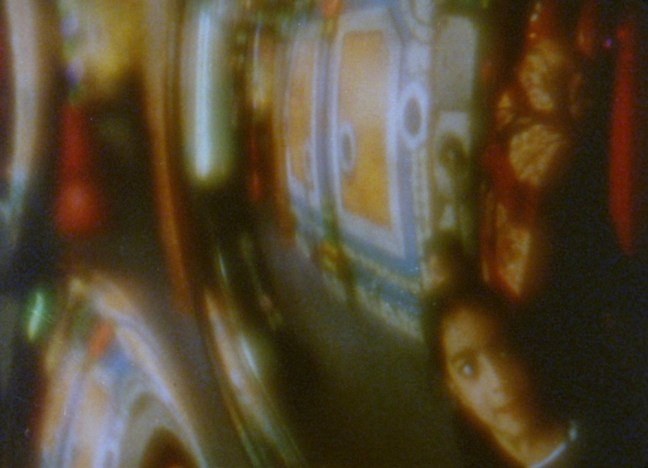
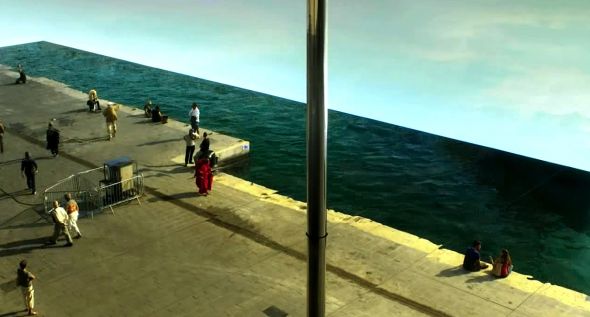
Alongside the new, beautiful digital transfer of the film that Second Run have released is a new short film, Track Projections by Raya Martin, which flips the image of a digitally shot, rolling landscape from a train window on its side, thereby making the image akin to the cinematic reel, abstracting the reflection in what might be considered a reference to Stan Brakhage, who the director has previously cited as an influence. This new short again demonstrates the director’s concern with the meaning of cinema – made most explicitly in his recent collaboration with Mark Peranson, La última pelicula (2013) – and the particularity of the filmic image in the digital age.

Highlights of Edinburgh Film Festival 2014

Journey to the West
Journey to the West

It’s been a while since I updated this blog, and if you peruse my index page you’ll see why – my recent film writing has been in the form of contributions to other outlets, mainly Sight & Sound online and award winning site, CineVue.

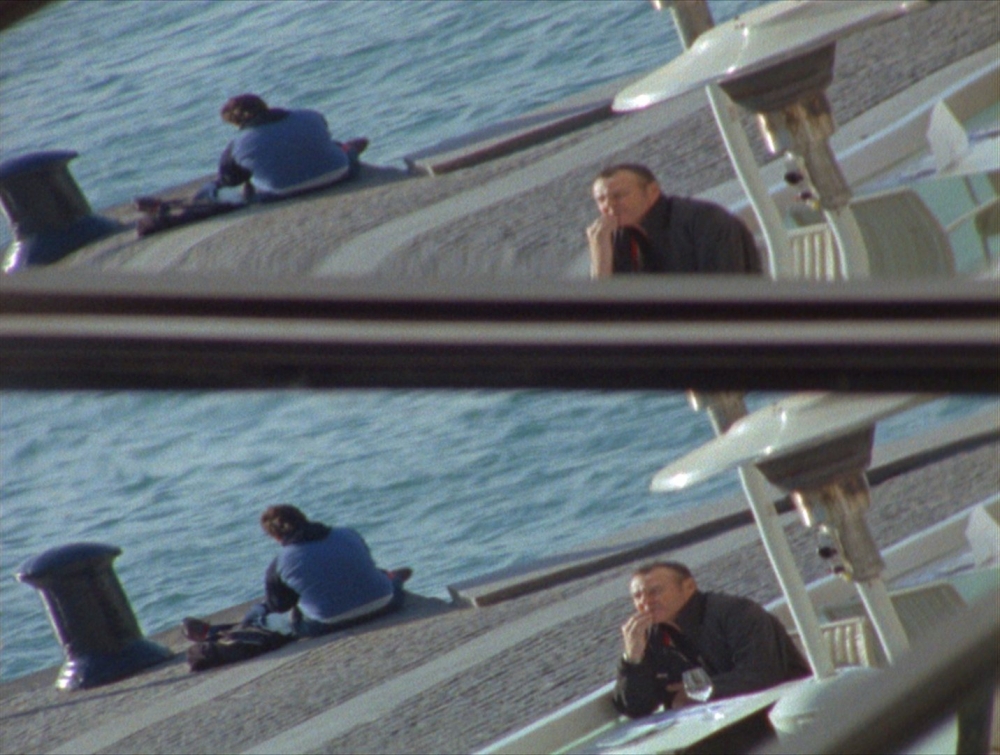
Under the Heath Lamp an Opening by Zachary Epcar

For both I reported from Edinburgh International Film Festival, writing daily reviews (CineVue) and a look at the Black Box experimental programme (Sight & Sound), which was consistently excellent, and, along with Tsai Ming Liang’s Journey to the West, and Stray Dogs, Bong Joon-Ho’s Snowpiercer, Ebrahim Golestan’s 1965 masterpiece, The Brick and the Mirror, and the shorts programmes I caught, my highlight of the festival.

Club Sandwich
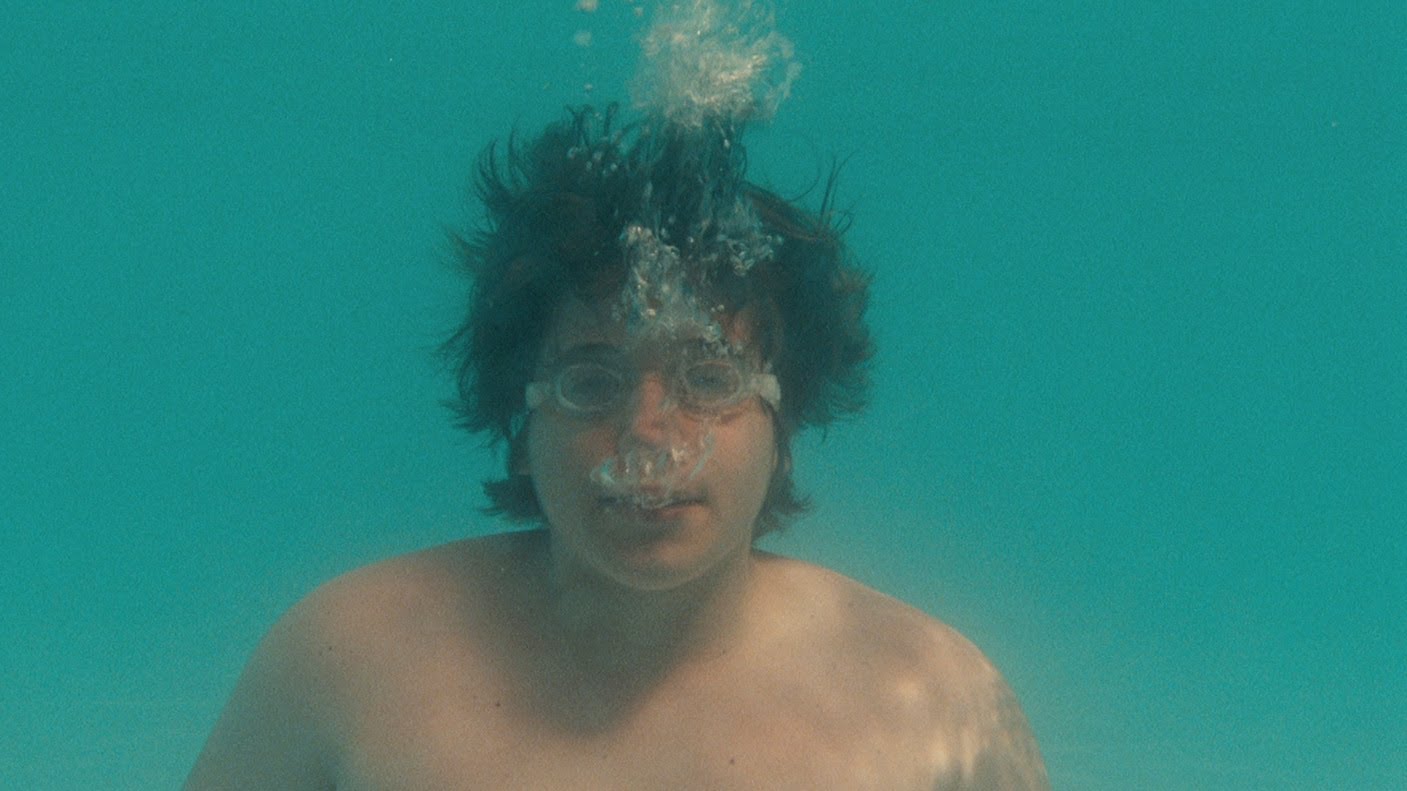
Club Sandwich by Fernando Eimbcke

I’m hopeful that EIFF’s commitment to experimental film will only grow, as this year more than ever I embraced the unique and concentrated experience of screenings of daring and creative work, within an enthusiastic and welcoming audience environment. My full report can be read here

Of the films I reviewed for CineVue, my favourites were To Kill a Man and Club Sandwich, both subtle and carefully paced character studies, one a thriller, the other a tender mother-son coming of age tale.
Coming soon on the blog, I’ll review the latest DVD release from Second Run, and perhaps indulge my long gestating investigation into Anna Faris.