
Having already taken part in a poll for the top films of 2014 elsewhere (See CineVue Top 20 Part One and Part Two), which included any film having a received a world or UK Premiere, an annual review on Cinematic Investigations will take a different approach to reflecting on this year’s highlights. Based purely on this writer’s cinema-going habits, I will pick out the top ten experiences in a cinema, regardless of premiere or release date. These are ordered chronologically, 10 being in the early part of the year and so on.
10. Her | Spike Jonze
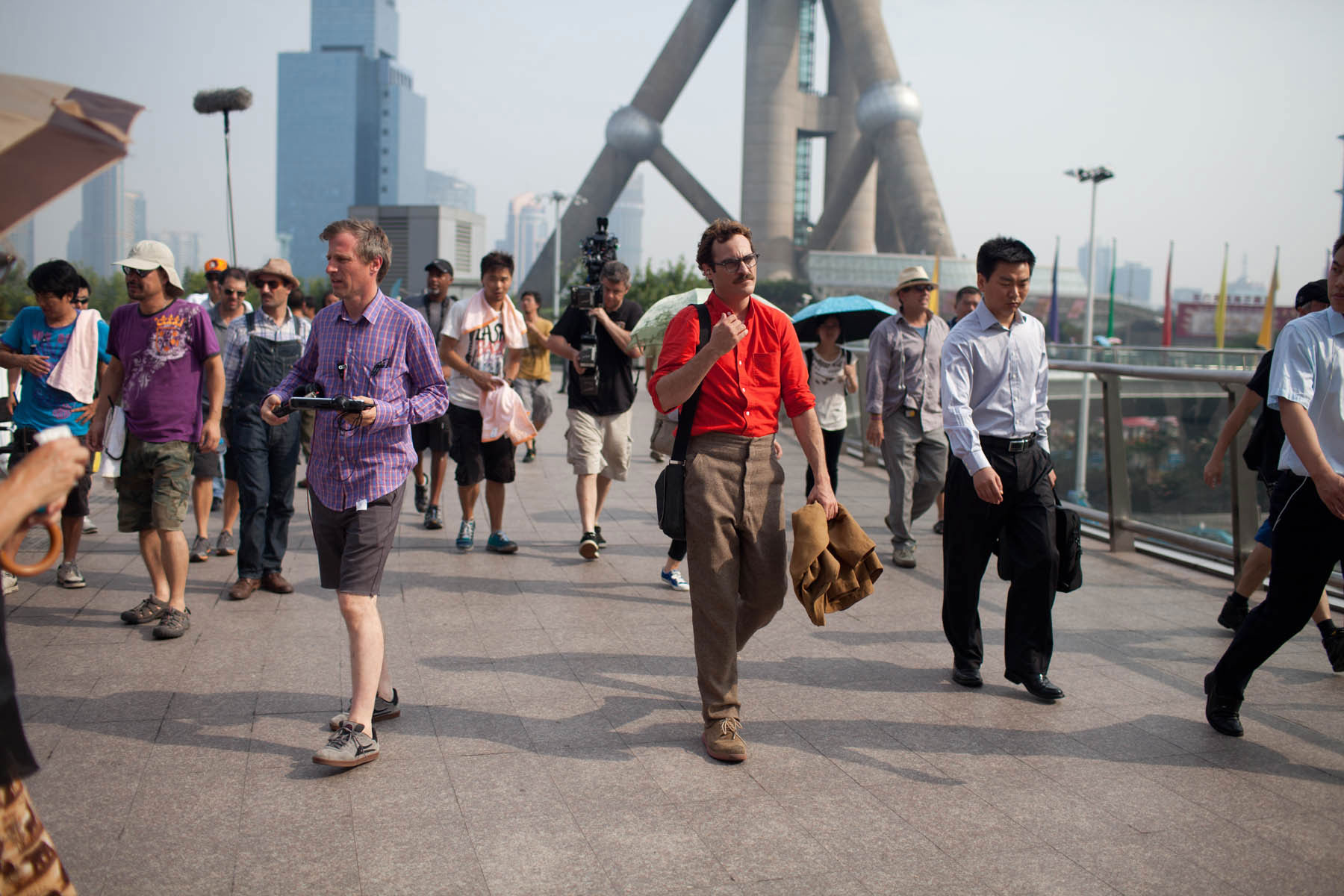
Two days after dreaded Valentine’s day, I saw Her, a gorgeous, intelligent, moving portrait of contemporary communication and relationships. Jonze presented a world where a kind of uniform aesthetic sensibility existed without comment – everyone and every environment seems lush, and clean and clear, and yet the streamlining of individual lives through personalised operating systems with artificial intelligence simply reveals what we know about ourselves already – we humans with our fragile bodies are flawed, imperfect and irrational.
- Postcolonial Cinema Weekend | AV Festival | Newcastle upon Tyne
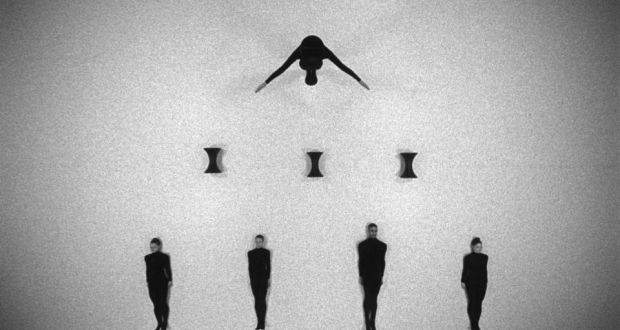
At AV Festival for the month of March, the theme of Extraction allowed for an exploration of the raw materials that comprise our experience of the world, with a film programme that included such lesser-seen much praised works as Wang Bing’s West of the Tracks (2002) and Michael Snow’s La Région Centrale (1971). Over the 7-9 March, artists and filmmakers gathered to share their films addressing the outcomes of decolonialisation. Highlights were a screening of Statues Also Die (1953) by Chris Marker and Alain Resnais from 35mm followed by Turner Prize winning It For Others by Duncan Campbell, who was present to talk about the influence of Marker and Resnais, and his representation of the commodification of objects through contemporary dance.
8. Stray Dogs | Tsai Ming Liang
‘In anger my hair stands on end and when the rain stops, I launch a shrill cry at the heavens.’
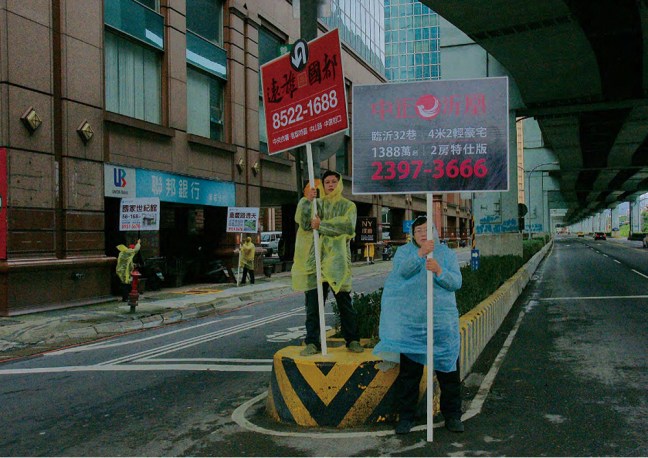
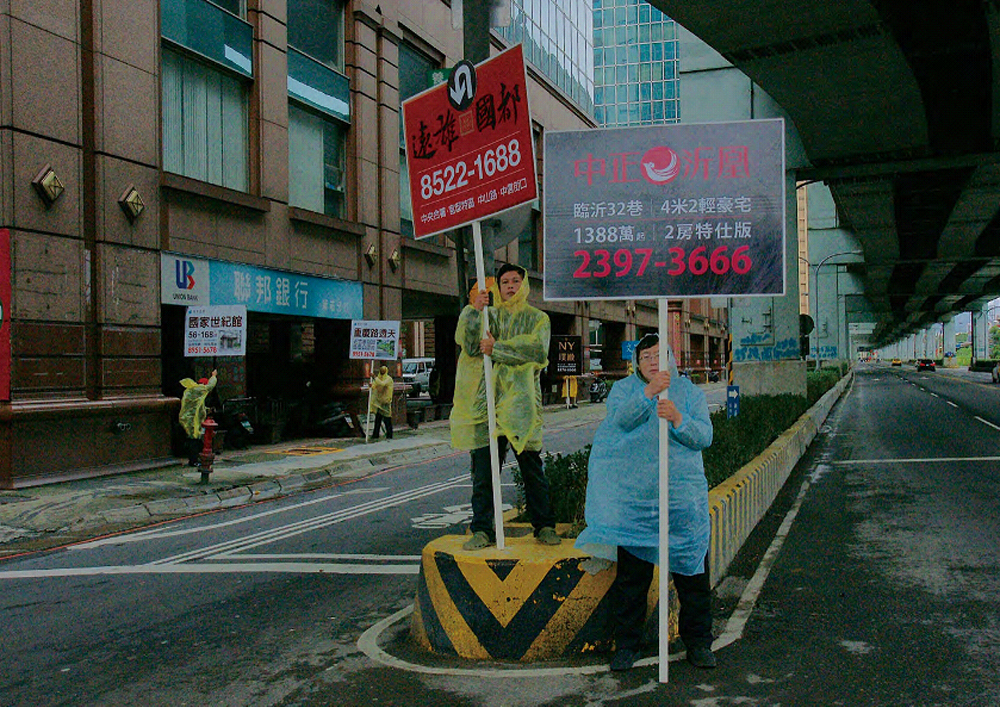
I saw what would become my no. 1 film of the year at Edinburgh International Film Festival, which actually turned out to be host to other of the year’s highlights. Stray Dogs is incomparable however – a heart breaking tale of a man earning a living as a human signpost advertising luxury accommodation, whilst living with his children at a dilapidated semi-sheltered building. Technically exemplary and acutely observed, Tsai’s film left me speechless, but not for the last time this year…
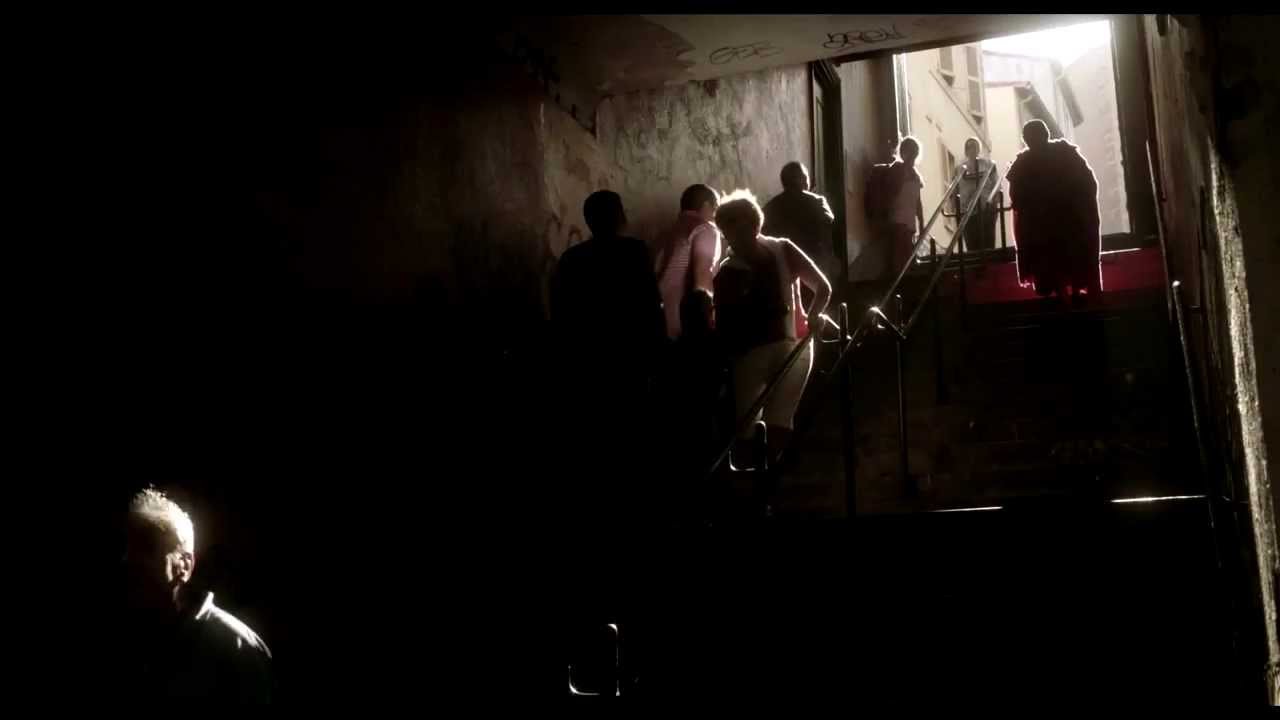
- Journey to the West | Tsai Ming Liang
… as Journey to the West also screened at EIFF. Comprised of fourteen shorts held still as Lee Kang-sheng moves with a barely perceptible slowness throughout Marseille, dressed in red monk robes, becoming the focus of attention – or more frequently not – to passers-by. Performer and director having collaborated on the same gestural performance capture five times previously, Journey to the West includes a contribution from French actor Denis Lavant, who enacts his own slow walk too.
- Interrupted Revolution: Iranian Cinema, 1962 to 1978, EIFF
At EIFF I also had the pleasure of seeing four films in their Iranian retrospective, including in the programme, ‘Truths Beyond Truth: Three Masterpieces’; Forugh Farrokhzad’s The House is Black (1962), Kamran Shirdel’s The Night it Rained (1967) and Amir Naderi’s Waiting (1974) and Ebrahim Golestan’s The Brick and the Mirror (1965). Ninety-two year old (!) Golestan was present at the screening to discuss the film’s production, and their energetic approach to filming in the streets of Tehran. An afternoon of rarely screened Iranian classic cinema was an opportunity too special to miss.
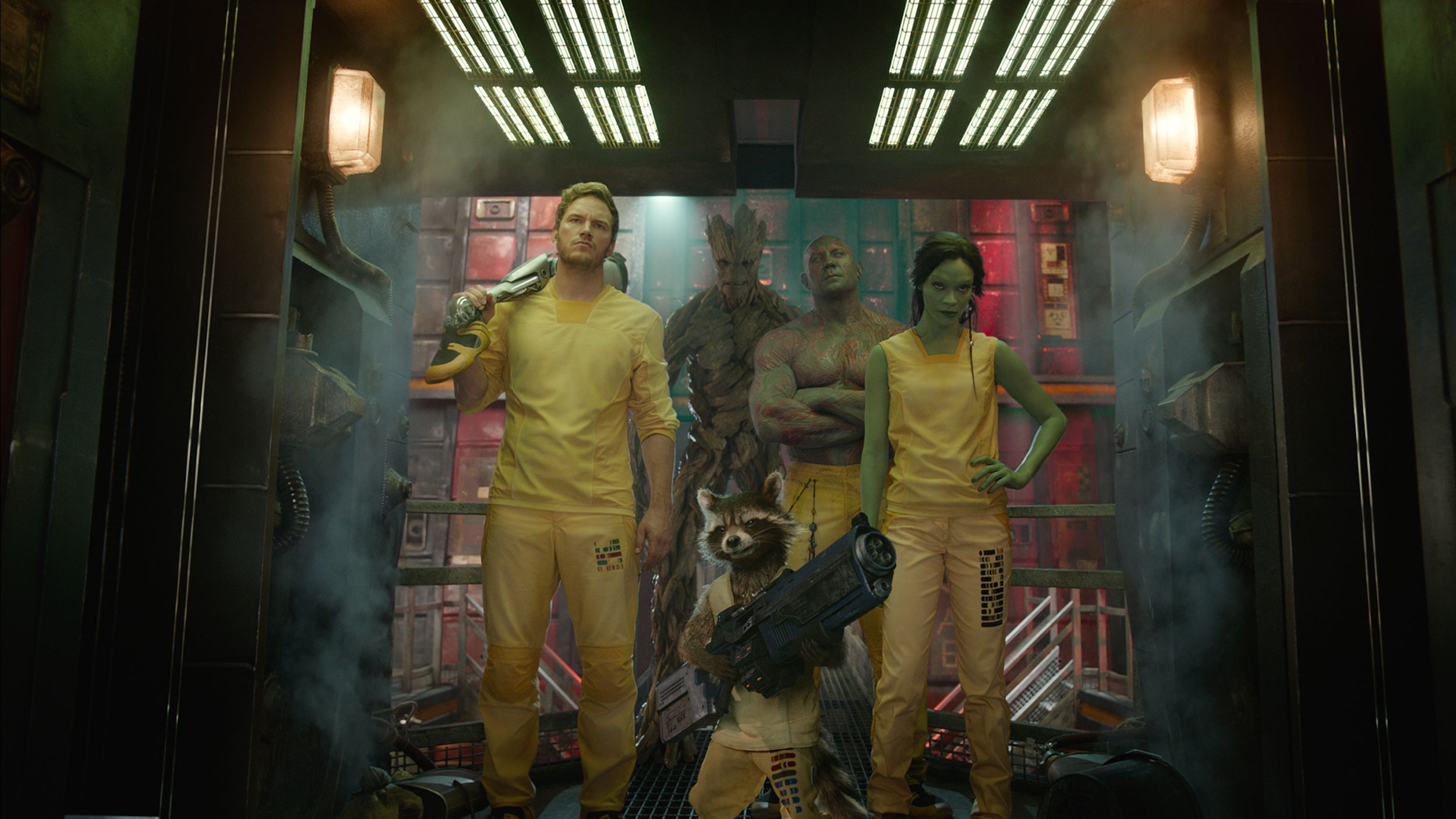
- Guardians of the Galaxy | James Gunn
It being one of the most hyped and anticipated films of 2014, and being a fan of some superhero films (X-Men, Avengers Assemble, Captain America: The Winter Soldier) and the talents of Parks and Recreation’s Chris Pratt, I couldn’t help but get caught up in the excitement around Guardians. Of course it was silly, and of course it was predictable and derivative, but it was damn fun too.
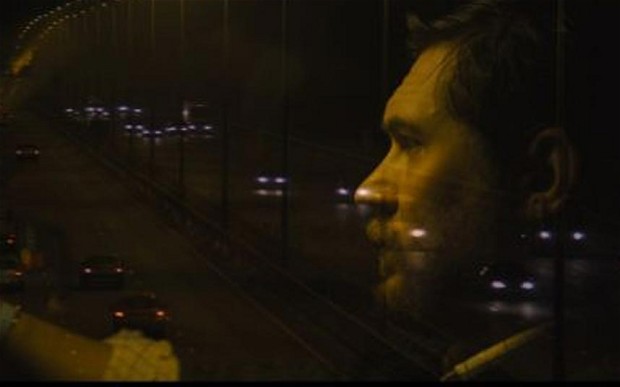
- Locke | Steven Knight
Since seeing Knight’s tremendous sound film, the phrases ‘I am driving’ and ‘I have made a decision’ have stayed with me, as expressed by Tom Hardy’s Richard Burton-esque Welsh intonation. A gripping, sad and witty thriller, and one of this year’s best.

- Alluvion | Sasha Litvintseva
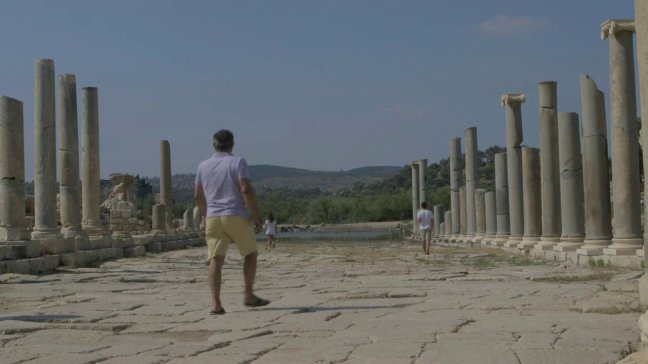
At Aesthetica Short Film Festival, I traversed the cobbled streets of York, between historic and contemporary venues, taking in what would become eighty-three short films, in genres as varied as experimental and fashion. A real highlight was Sasha Litvintseva’s Alluvion, a piece of ethnographic/poetic geographical interpretation that expresses the tension of the family holiday and touristic/working environments. Litvintseva’s aural landscape is as complex yet deceptively simple as her visual compositions.
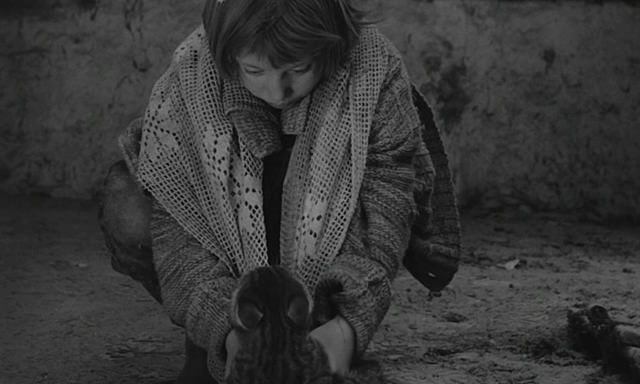
- Sátántangó | Béla Tarr | 1994
Screening at Filmhouse from a 35mm print sourced by those intrepid Scalarama folks, the chance to finally see reportedly one of cinema’s great masterpieces was truly unmissable. At seven hours and twelves minutes, Sátántangó is one of the longer examples of what might be deemed ‘endurance cinema’ and in its depiction of a run-down village, the inhabitants of which are attempting to survive during unrelenting autumn rain, it’s not a cheerful film either. However, the sheer tenacity and confidence of the framing, the length of the shots and bravery of the performances, make it one of the most memorable cinema experiences I’ve ever had.
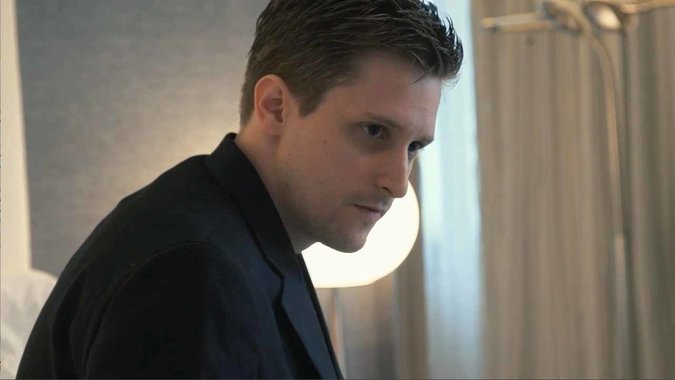
- Citizenfour | Laura Poitras
The third in a trilogy of films about post 9/11 America, the first two of which My Country, My Country (2006) and The Oath (2010) were about the Iraq War and Guantanamo respectively, Citizenfour is remarkable in many ways. Following an invitation from an anonymous source through a secure connection, to meet in order to share information, Poitras travelled to Hong Kong with Glen Greenwald in 2013 where they found themselves in a hotel room listening to revelations about the NSA’s surveillance programme from Edward Snowden himself. What’s remarkable about the film beyond what turned out to be a high stakes intelligence leak, are the moments Poitras captures that show just how ordinary Snowden is. Despite a justified reluctance to reveal too much about himself lest his story become one of personality obscuring the facts, what can’t be obscured are the urgent, unplanned moments in that hotel room, as covert travel plans are made. Snowden seen attending to a stray hair nervously before leaving the building, or thinking and rethinking his message to the media via the hotel conceirge show him as an ordinary person, who, despite having taken great risks to share what he knows, doesn’t know exactly what he’s doing at all times. Rather, he has his priorities straight – a steadfast commitment to challenging the accepted dismantling of privacy regulations in the name of national security appears deeply, chillingly logical.
Beyond these most memorable cinematic experiences, my personal favourites from 2014 also include:
Exhibition | Joanna Hogg
The Grand Budapest Hotel | Wes Anderson
A Touch of Sin Jia Zhangke
Ida | Pawel Pawlikowski
Leviathan | Andrey Zvyagintsev
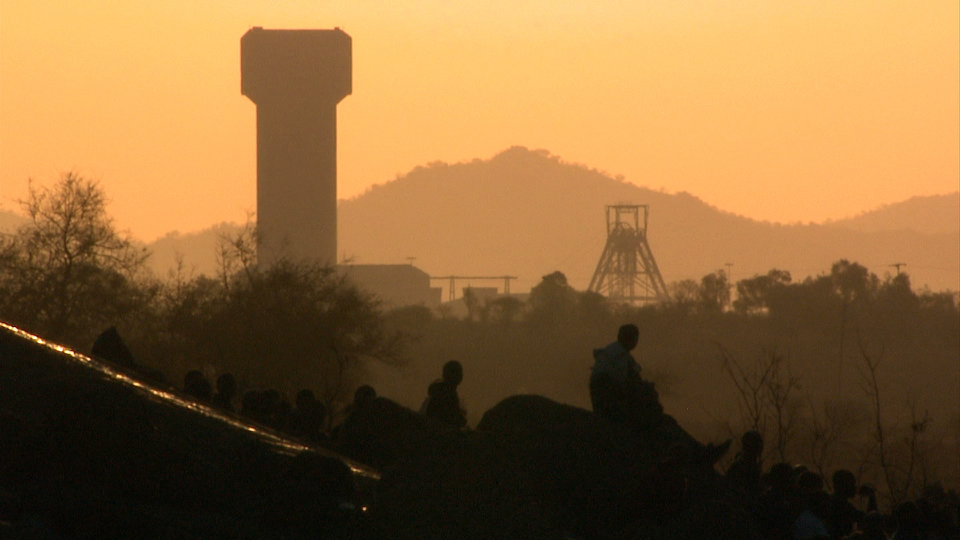
Concerning Violence | Gören Olsson
Winter Sleep Nuri Bilge Ceylan
Boyhood | Richard Linklater
Blue Ruin | Jeremy Saulnier
Under the Skin | Jonathan Glazer
We Are the Best! Lukas Moodysson

 cinematicinvestigations.com