EIFF 2013, thanks for the memories….

Its that time of year again – I’ve said goodbye (or avoided doing so *sniff) to my Edinburgh International Film Festival colleagues and I’m looking forward to the next job, more films and new experiences. EIFF 2013 was such a great success however that I don’t want to let it pass without reflecting on the fantastic films in the programme and personally, the amazing filmmakers I had the privilege to meet.

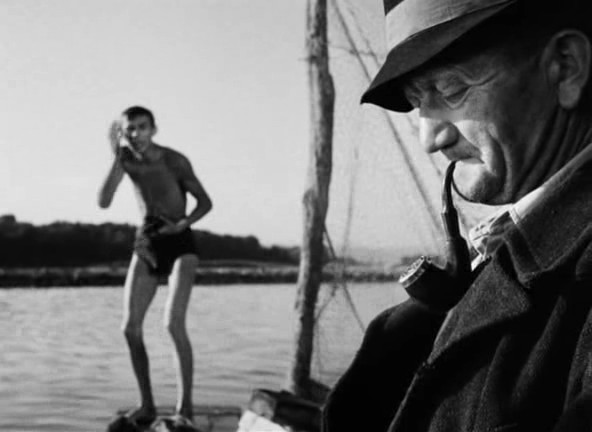
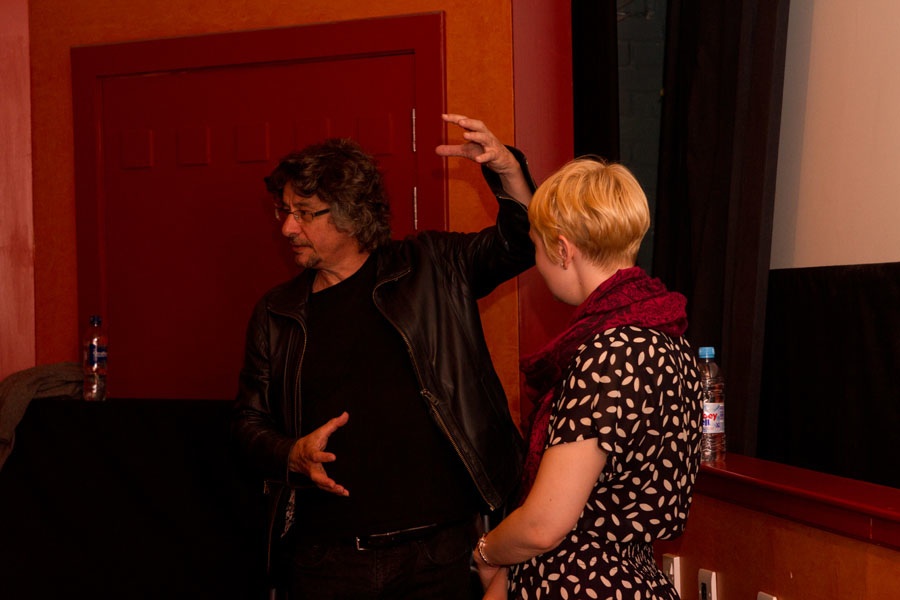
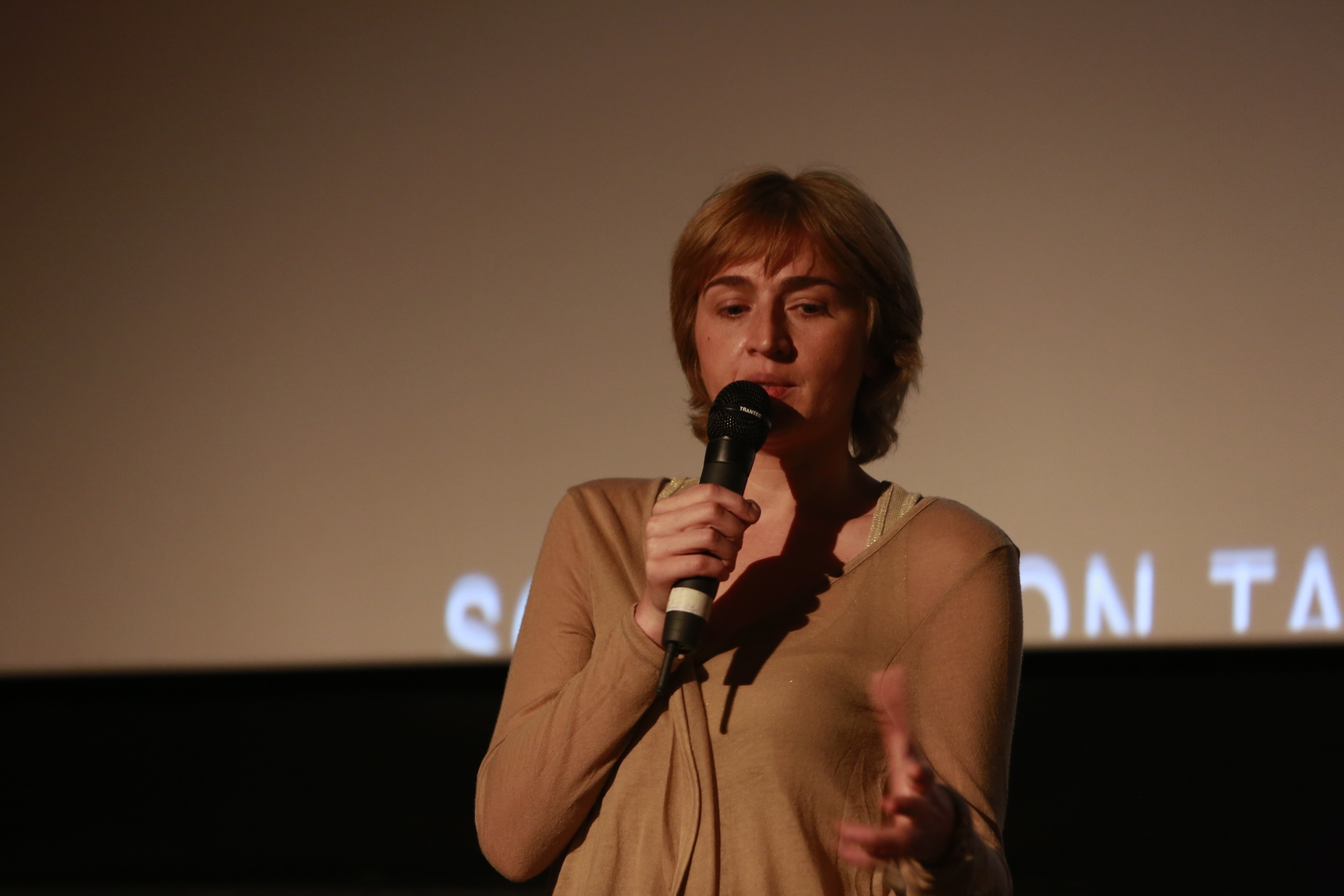
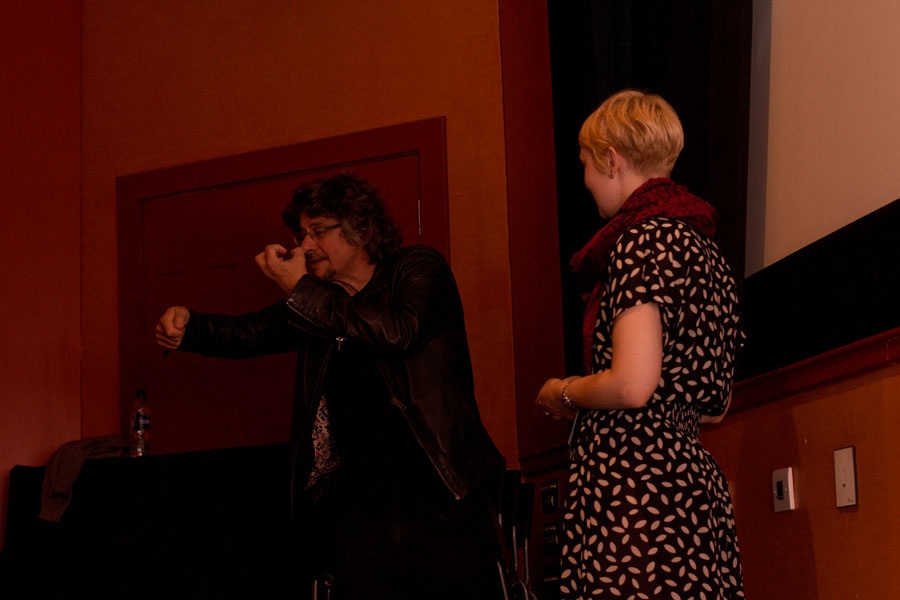
White Epilepsy by Philippe Grandrieux is a challenging, experiential film and the first part of a trilogy of works collectively titled, Unrest. Using the vertical, rather than traditionally, horizontal frame, Grandrieux asks the viewer to think of cinema as an event – dispensing with narrative – instead presenting two bodies, one devouring the other. Our two Q&As were fascinating, with Philippe expressing his distaste for such banal filmmaking devices such as script or shooting schedule and describing the dark nights over which filming took place.

Philippe Grandrieux at White Epilepsy Q&A. Photography by Shona Wass, courtesy of EIFF.

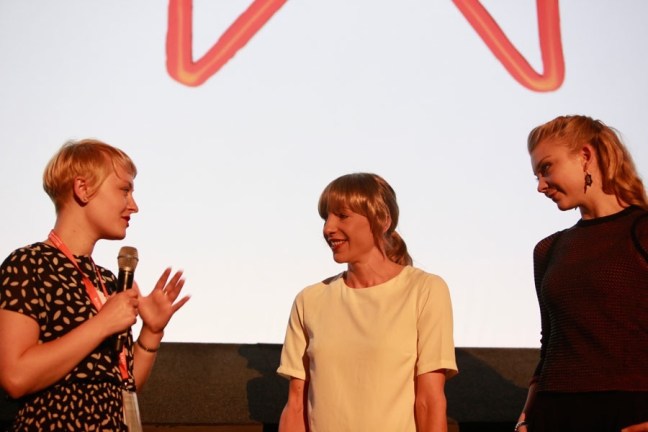
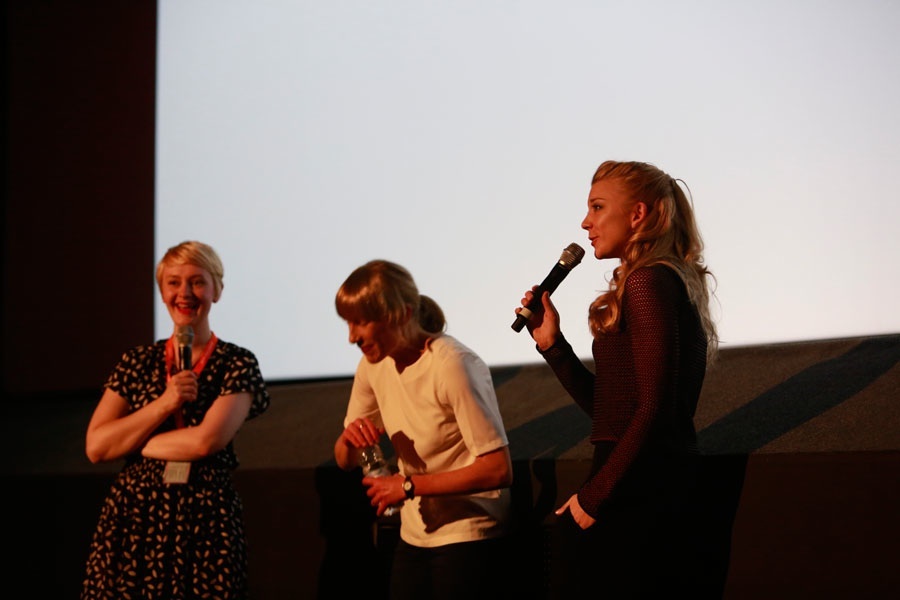
Next came Virginia Gilbert’s A Long Way From Home, starring James Fox, Brenda Fricker, Natalie Dormer and Paul Nichols. The film had its world premier at EIFF on 20th June, but on Saturday 22nd, I had the pleasure of hosting a Q&A with Virginia and Natalie Dormer, who were both intelligent, witty and courageous in the way they shared their experiences of making the film.

Virginia Gilbert (centre) and Natalie Dormer (right) at Q&A for A Long Way From Home. Photography by Pako Mera, courtesy of EIFF.

The film itself is a very thoughtful and mature piece not only about ageing and desire, but the nature of transitions throughout life, bolstered by excellent performances from the whole cast.

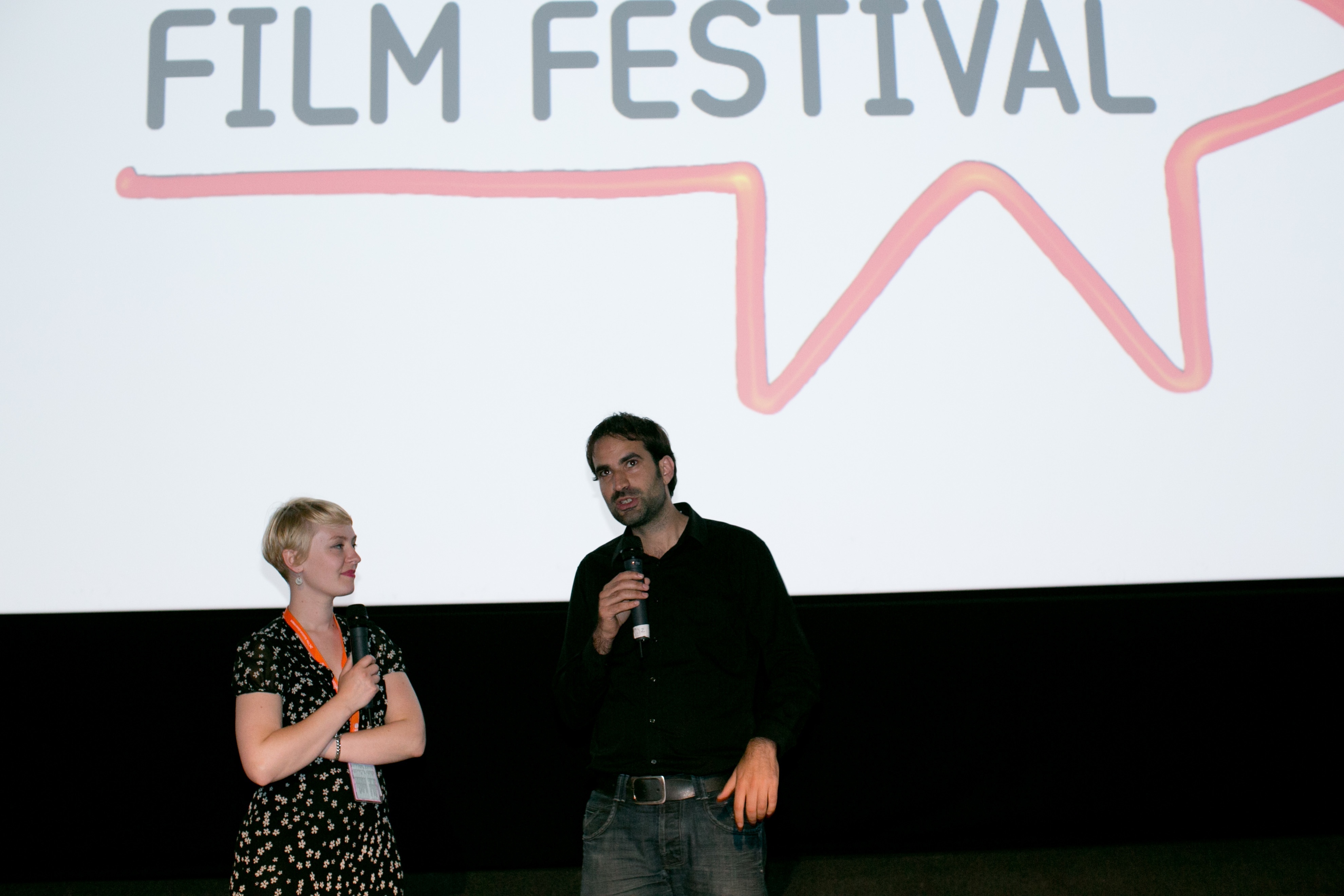
The Berlin File by Ryoo Seung-wan is an exciting, brilliantly choreographed espionage thriller, with a complex plot that even its director admitted, is hard to follow. Director Ryoo was an fantastic presence, modestly claiming that his success can only be attributed to the talented crew he continues to work with.

Director Ryoo Seung-wan (centre) and interpreter Jean Noh (right) at Q&A for The Berlin File. Photography by Shona Wass, courtesy of EIFF.

Rusudan Chkonia proved insightful and confident at the Q&A for her film, Keep Smiling – a dark comedy/tragedy about the absurdity of televised talent contests.

Rusudan Chkonia at Q&A for Keep Smiling. Photography by Pako Mera courtesy of EIFF.

Die Welt is a beautifully inventive exploration of an young, Tunisian man experiencing an identity crisis, where cultural, political and personal themes are brought together with wit and sensitivity by director, Alex Pitstra.

Alex Pitstra at Q&A for Die Welt. Photography by Lloyd Smith, courtesy of EIFF.

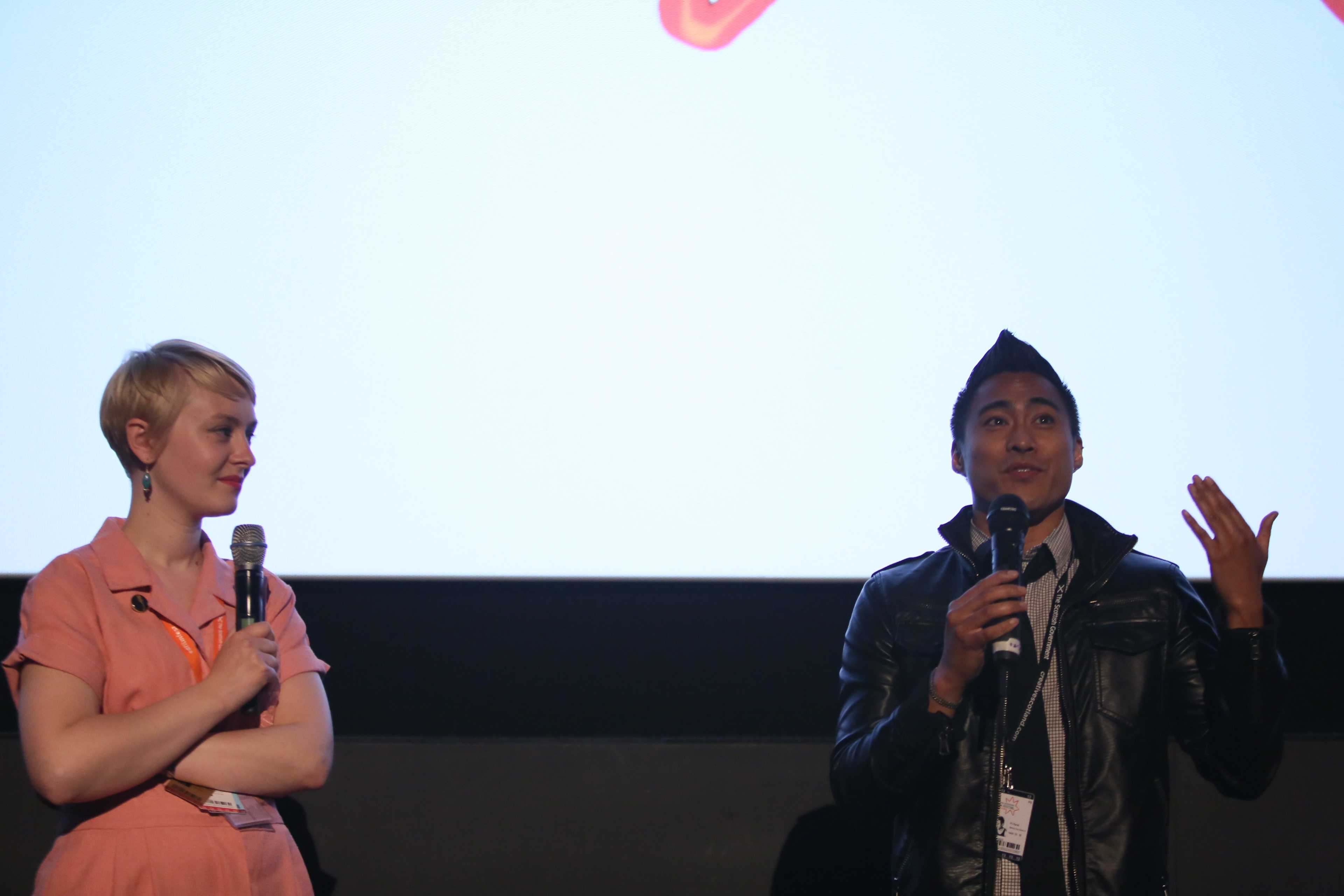
My final Q&A hosting was for Before You Know It by PJ Raval, a stunning portrait of three elder gay men as they face the various challenges of age, illness, family and love. Raval truly committed to his subjects, gaining from them (over the course of three years) total trust to reveal their inner lives, the result being a warm and affectionate tribute to their courage and uniqueness. Audience reaction was overwhelmingly positive, which made it a truly special end to my festival experience.

PJ Raval at Q&A for Before You Know it. Photography by Lloyd Smith, courtesy of EIFF.
PJ Raval at Q&A for Before You Know It. Photography by Lloyd Smith, courtesy of EIFF.

If there’s one thing I feel is particularly unique and important about programming film, its that you get the opportunity to be an advocate for the film and its makers, celebrating the successes of the work, even in cases where the whole work might not have achieved its intention. By looking at the elements of a film that are exciting and inventive – showing the ambition inherent in creating new work that pushes the definition of cinema – there is the opportunity to promote and encourage true artists and future masters of their craft.


“Pretend you’re in a movie” Spring Breakers in review.

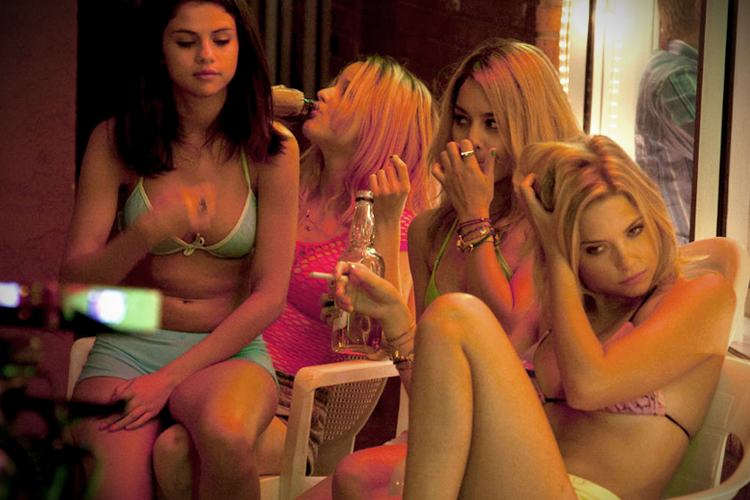
WARNING: SPOILERS. Harmony Korine’s latest cinematic offering following such simultaneously celebrated/reviled recent flicks, Mister Lonely (2007) and Trash Humpers (2009) has provoked some predictable tirade’s from journalists seemingly interpreting Spring Breakers based purely on the amount of flesh it displays. What’s interesting about that point of view is that it judges the characters where the film itself does not. spring_breakers1

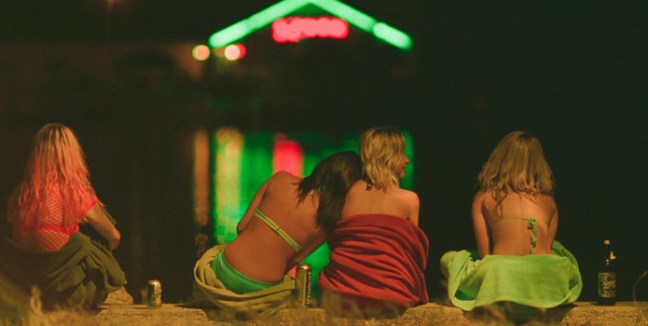
Centering on the hedonistic activities of four female college student’s, who – having pooled their resources and come short – rob a chicken restaurant and head to Florida to join the ‘Spring Break’ party – Korine’s film is a lurid, day-glo, noisy affair, making much of the post-Disney rebellious personas of his stars, Selena Gomez and Vanessa Hudgens. The opening scenes present either a hell or heaven on earth – depending on your perspective – all naked bodies and beer-swilling guys accompanied by the dub-step/trance onslaught of Skrillex. Indeed Gomez’ character is a Christian (her name is Faith) seen at church group before joining her colleges pals, but the opportunity presented by readily available drugs and sexual liberty isn’t what tests her moral integrity. spring-breakers-handcuffed

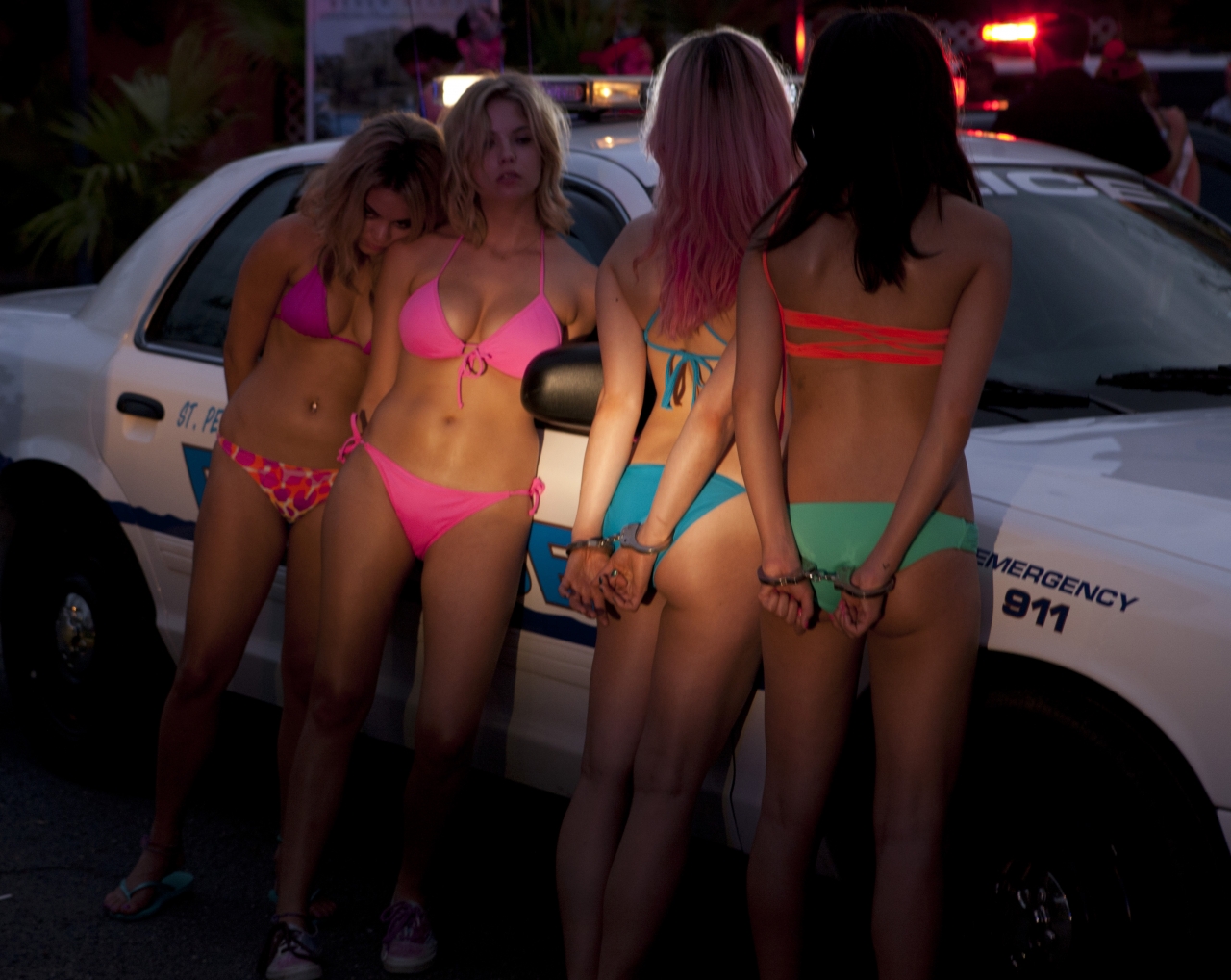
After being arrested, Faith, Candy (Hudgens), Brit (Ashley Benson) and Cotty (Rachel Korine) are bailed out by Alien (James Franco), a self-styled rapper/dealer boastful of all his ‘shit’ – money, weapons, every colour of shorts (Franco and Korine reportedly based Alien on Riff Raff). Where her friends are elated by the freedom this new allegiance brings, Faith is uncomfortable with the expectations she perceives Alien to have in return, and in one of the films more intense scenes, refuses his persuasion tactics, despite how fervently he insists that he just wants to have ‘fun’.

What’s so consistently engaging about Spring Breakers is how Korine maintains a certain distance, and thereby non-judgemental approach to his characters. Candy, Brit, Cotty and Faith seem familiar, in that they behave in a way that we might have come to expect from particular cinematic/pop-cultural ‘types’; and their posing for Alien suggests learnt behaviour based on what they might expect from a ‘gangster’s’ moll, or groupie, even, and this double assumption means that the viewer is ever questioning how seriously to take all this brightly coloured mayhem. spring-breakers-ski-masks

What eventually transpires proves that wry incredulity is perhaps the right approach all along, as the characters actions become more implausible; the final scene a beautifully constructed fantasy of almost arbitrary violence. Before their chicken-shack hold-up, Candy encouraged her cohorts to ‘pretend they’re in a movie’ (one of the film’s less effective moments) in order to get in the frame of mind for ‘armed’ robbery, but a later flashback depicts the episode as raw and disturbing – their manic, graphic, verbal fireworks having the desired – terrifying – affect on their victims. By the end, Candy and Brit enact the kind of overblown computer-game styled killing spree that they perhaps imagined all along.

My week in film: To the Wonder

After a week in which I didn’t manage to see any non-submission films (due to leaving the house, actually) the prospect of Terrence Malick’s second film in 18 months was enough to fuel my sense of urgency. Following 2011’s The Tree of Life (2011) which saw Brad Pitt and Jessica Chastain struggle to find harmony whilst raising three boys in 1950’s Texas; intercut with gloriously bonkers visuals musing on the origin of life, To the Wonder also tackles grand themes via an ostensibly domestic, romantic narrative.  to_the_wonder_7 Neil and Marina (Ben Affleck and Olga Kuylenko) are first seen enjoying the bliss of new love, living in France. Deciding to relocate to the US, they move, along with Marina’s daughter Tatiana (Tatiana Chiline) to a new build housing estate in Oklahoma. When Neil is reluctant to marry Marina, she returns to Paris leaving Neil alone, and for a while he becomes involved with a childhood friend, Jane (Rachel McAdams). When Neil and Jane break-up due to his emotional unavailability, he marries Marina who returns to the US without Tatiana; but the same anxieties persist for them both. Parallel to this, Father Quintana (Javier Bardem) – whom Marina confides in – also experiences a crisis of faith despite his ties to the local community. To-The-Wonder-Trailer8This synopsis might suggest that between the characters, complex feelings and concerns are expressed – and indeed they are – but Malick eschews a reliance of expression through verbal communication, instead allowing only fractions of dialogue to be audible, as though the audience is eavesdropping on intimacy. In fact, Neil is almost never heard speaking, aside from a few French phrases and snatches of reserved sentiment offered to the two women in his life. Instead the oral offering comes in the form of voice-overs from Marina and Jane who describe their feelings for Neil and inner longings. This mainly non-verbal, more gestural depiction of human relationships might sound like an antidote (whether welcome or not) to the kind of fast-paced riffing seen in Silver Linings Playbook, or even the schizophrenic Friends with Benefits – if the Hollywood rom-com is your kind of thing – but Malick’s almost total lack of subtlety in employing such an artistic choice results in almost non-characters; unreachable ciphers standing in for man and woman. The distancing effect can also be attributed to repetitive scenes in which Neil follows Marina or Jane through fields and across beaches or gardens – and I couldn’t help thinking of these as analogous to the experience of the viewer; chasing Malick’s plot and his characters endlessly and never getting anywhere. To_the_Wonder_Terrence_Malick_81This is not to say that there aren’t things to enjoy about the film. Its beautifully shot by Malick’s cinematographer Emmanuel Lubezki (since The New World in 2005), which in scenes involving Father Quintana visiting his flock – reveal beauty and experience in the faces of the Oklahoma residents. As a Malick fan however I couldn’t help feeling that with The Tree of Life and To the Wonder, the director is working through ideas in a rush, that perhaps needed another five or twenty years of distillation before making their way to the screen.

If you’re interested in a more positive take on To the Wonder, Guy Lodge loves it and describes why quite elegantly, here.