
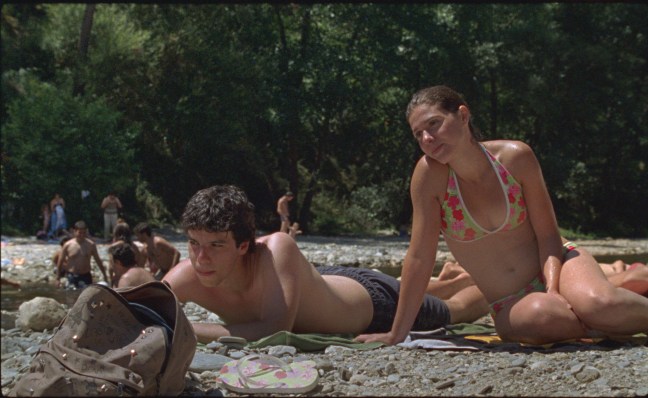
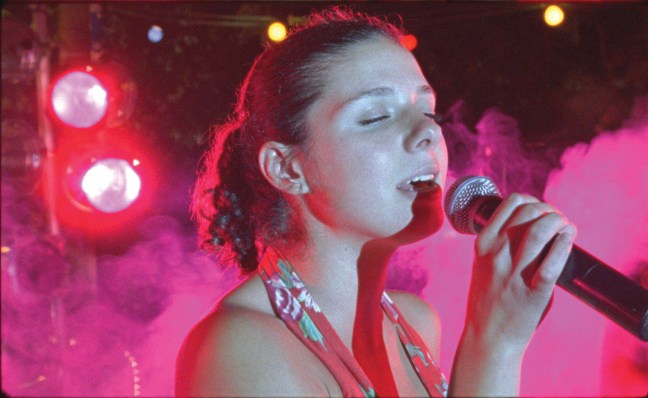
This coming Sunday at 7pm the LOCAL/LOCALE season at Edinburgh Film Guild continues with a film by celebrated Portuguese writer/director Miguel Gomes. The director’s second feature film following The Face You Deserve (2004) is a sun-drenched portrait of a rural town in the region of Arganil, whose title, Our Beloved Month of August (Aquele Querido Mês de Agosto, 2008) proclaims the affection with which Gomes treats his subject. The film is at once a narrative about a family dance band and a blossoming romance and a meditation on the nature of filmmaking itself. Gomes dissolves the supposed distance between documentarian and subject, writer and actors, blending all such elements together into one glorious idiosyncratic work of cinema. 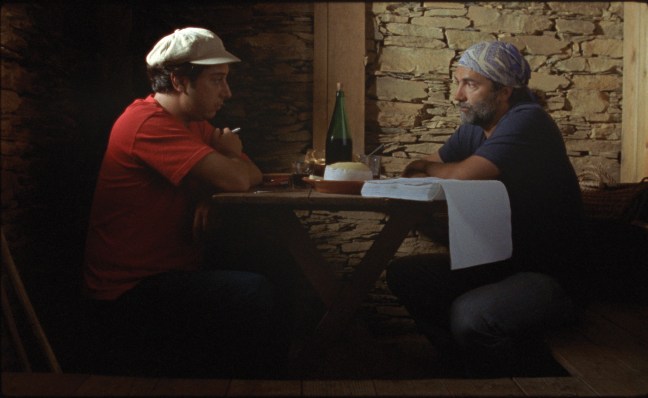 Like Gomes later film, the multi award-winning Tabu (2012), the concept of playing lightly with notions of narrative and performance is familiar in Our Beloved Month of August, though the influence of the locals themselves is more apparent. Much like Gomes most recent trilogy of films, Arabian Nights: Volume 1 – The Restless One, Volume 2 – The Desolate One and Volume 3 – The Enchanted One non-professional actors play themselves – and other roles – whilst Gomes ‘the director’ appears as himself, struggling to reconcile budget, script and schedule on the shoot. Gomes’ ever present anxiety of creative vision hindered by financial limitations only seem to imbue him with a sense of inventive inclusion, as though what must be cut from a production gives rise to the feeling that everything and anything can and should be the film.
  Kieran Corless on Our Beloved Month of August: ‘It inhabits its chosen world and landscape so fully and imaginatively, so intimately, it’s almost as if it’s inhaling it. Slowly, stealthily, the fantastical flowers in this everyday scenario, credibly and breathtakingly. We experience that rarity in cinema, a sort of flowing, fluid buoyancy, when everything in a film is singing, all the elements are fusing in harmony.’
This will be the penultimate screening in the LOCAL/LOCALE season, with the UK premiere of Britni West’s award-winning Tired Moonlight following it on Sunday 6 December, a film which combines the docu-fictional elements of Gomes with the loose, intimacy of the low budget American indie.
Here’s the full run down of the season below. You can join the Facebook event here, and get more info on the Edinburgh Film Guild here.
Sunday 8 November: MAN OF THE STORY (KATHAPURUSHAN). Adoor Gopalakrishnan/India, Japan/1995/102/Malayalam with English subtitles.
Sunday 15 November: WHITE COAL. Georg Tiller/Austria, Poland, Taiwan/2015/70 min/English and Chinese with English subtitles.
Sunday 22 November: ALLUVION/EVERGREEN. Alluvion/Sasha Litvintseva/UK/2013/31min. Evergreen/Sasha Litvintseva/UK/2014/50 min.
Sunday 29 November: OUR BELOVED MONTH OF AUGUST (AQUELE QUERIDO MES DE AGOSTO) Miguel Gomes/Portugal, France/2008/147 min/Portuguese with English subtitles.
Sunday 6 December: TIRED MOONLIGHT. Britni West/USA/2015/76 min.
 Of the films in consideration, we selected Drama directed by Guan Tian (pictured above) as the winner of the
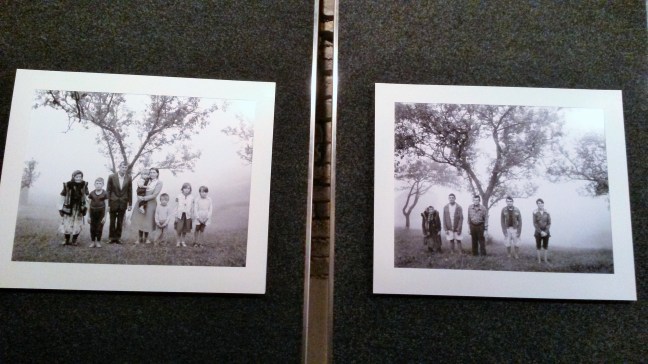
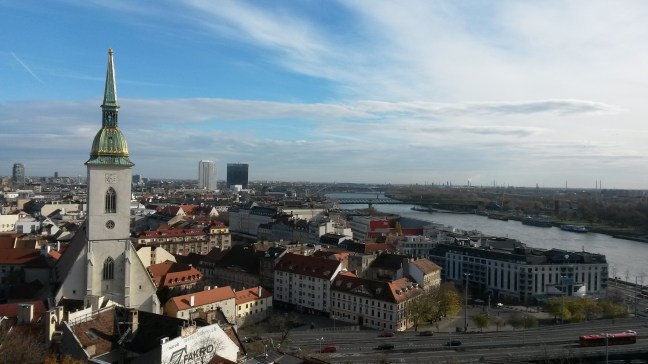
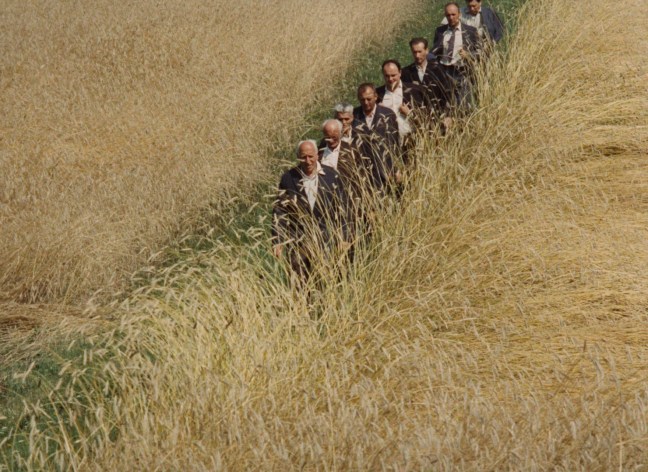
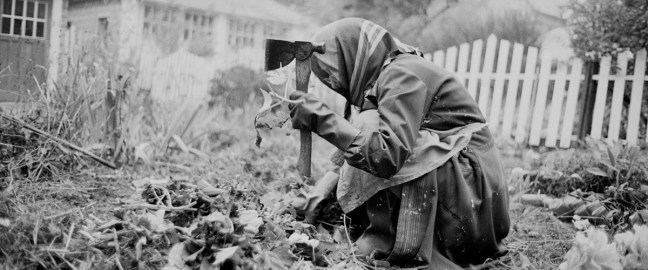
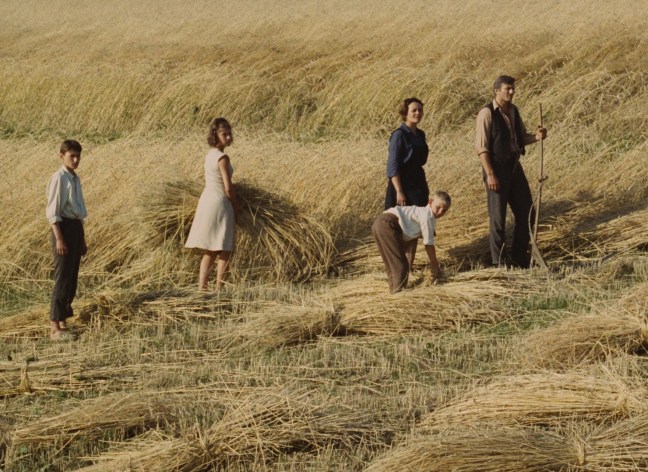 All My Good Countrymen was Jasný’s nineteenth film, and followed on the success of When the Cat Comes (1963) in continuing the director’s international acclaim. It was however later banned due to its portrayal of the Communist system and Jasný was for a period forced into exile. The film was a long-gestating and highly personal project based on memories the director’s mother shared about village life, and there’s an impressionist tendency to the way the people and landscape are shown, connecting characters and places but remaining ever so slightly removed from the subject. Jasný covers the period from 1945 to 1958 in chapters that follow the seasons, with an epilogue set in 1968 during the Prague Spring, and it’s the treatment of time that’s one of the film’s most beautiful elements.
 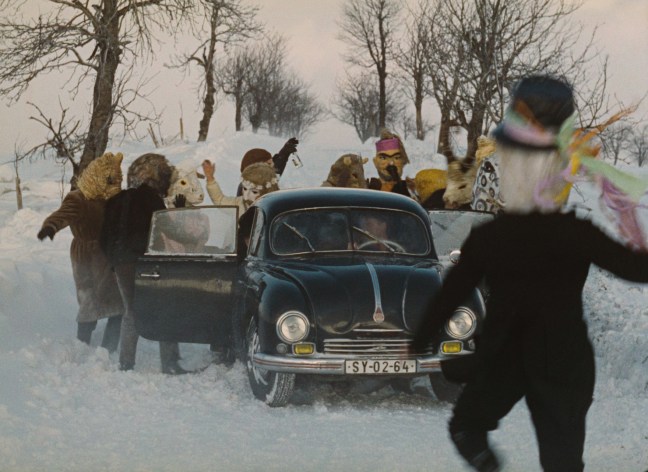 Characters come and go, the local council persists in attempting to recruit František to join ‘the Cooperative’ but the land still needs plowed and festive celebrations continue according to the season. The elderly of the village appear set apart from events, commenting upon their younger counterparts with the wisdom of experience.
 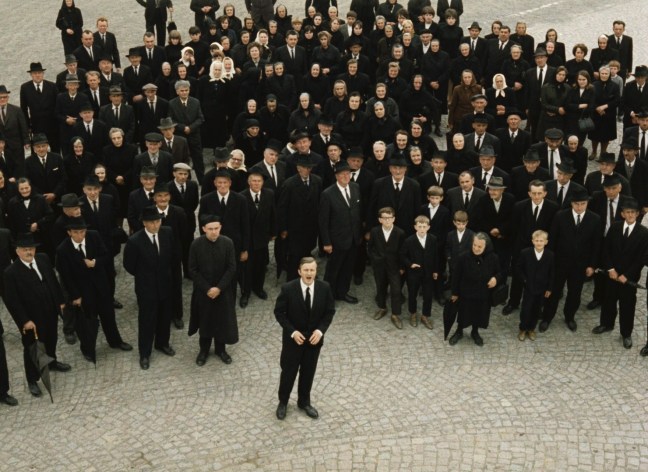 For someone unfamiliar with Jasný, but an appreciator of the Czech output of this period from directors such as
 cinematicinvestigations.com