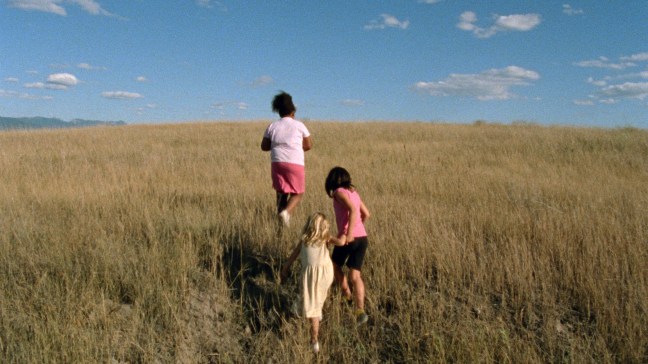
Announcing a mini film season: LOCAL/LOCALE

Starting next month on Sunday 8 November, the Edinburgh Film Guild will be host to a mini season of film’s I’ve programmed around themes of location, community and industry. The season will showcase examples of cinema that dissolves the divide between documentary and fiction and offer in turn, intelligent, beautiful and humorous comments on the human condition.

Each film is one that’s provoked thoughts in me about the diversity of human experiences that I might only ever encounter through cinema. In the ways that each film uses narrative and documentary to reveal their subjects, they allow us to question the authenticity of the experience that we’re witnessing. How much is ‘real’ and how much is an embellishment?

In the coming weeks I’ll post more details about the films in the programme, but this is just a small teaser of what’s to come. More info here at the Edinburgh Film Guild’s site.

Sunday 8 November: MAN OF THE STORY (KATHAPURUSHAN). Adoor Gopalakrishnan/India, Japan/1995/102/Malayalam with English subtitles.

Sunday 15 November: WHITE COAL. Georg Tiller/Austria, Poland, Taiwan/2015/70 min/English and Chinese with English subtitles.

Sunday 22 November: ALLUVION/EVERGREEN. Alluvion/Sasha Litvintseva/UK/2013/31min. Evergreen/Sasha Litvintseva/UK/2014/50 min.

Sunday 29 November: OUR BELOVED MONTH OF AUGUST (AQUELE QUERIDO MES DE AGOSTO) Miguel Gomes/Portugal, France/2008/147 min/Portuguese with English subtitles.

Sunday 6 December: TIRED MOONLIGHT. Britni West/USA/2015/76 min.

Also: Film journal update. Viewed two brilliant detective/serial killer films: David Fincher’s The Girl with the Dragon Tatoo and Michael Mann’s Manhunter
My week in film: SQIFF and more…

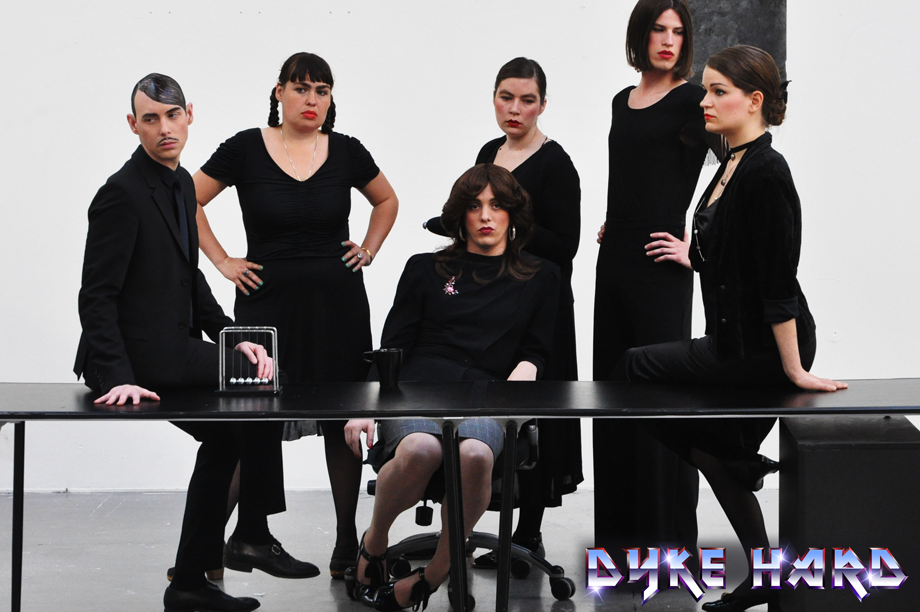
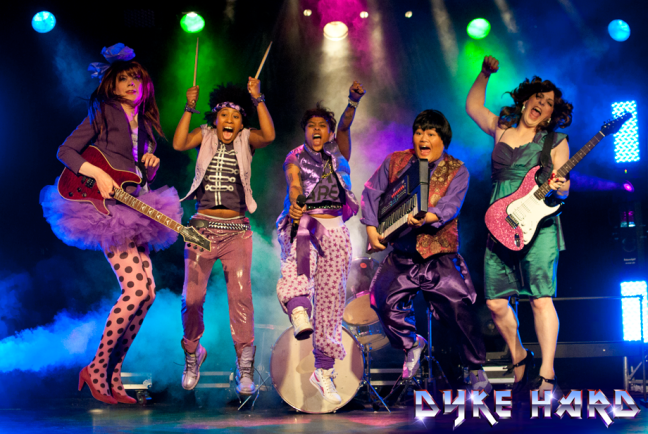
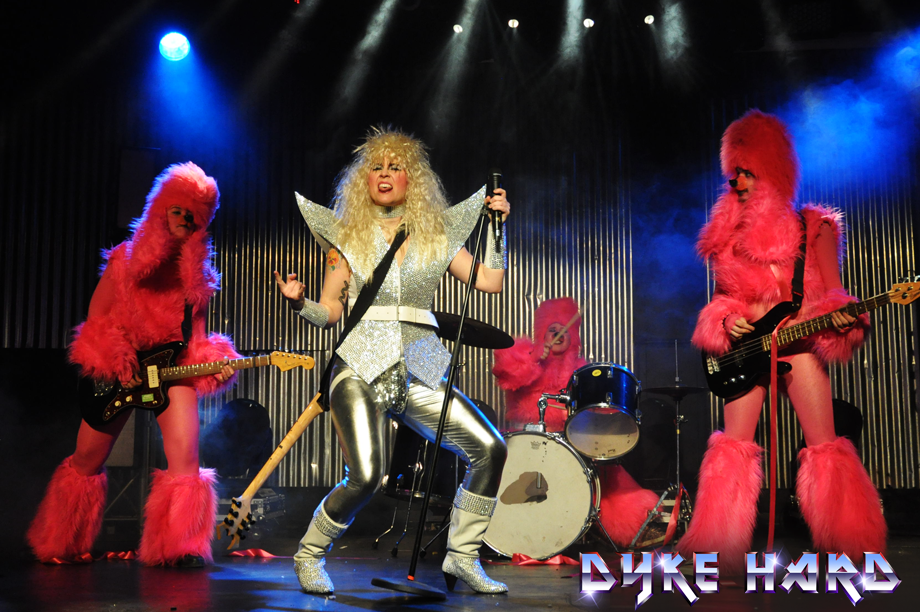
Having presented a scattering of screenings since announcing their existence in summer 2014, the Scottish Queer International Film Festival had its inaugural full festival edition last week, running from 24-27 September and opening with the entirely enjoyable, Dyke Hard. Ushered by fabulous pink poodles into CCA theatre, audiences then saw the SQIFF team share the spotlight before the screening, introducing their inclusive ethos by explaining their use of subtitles, British Sign Language interpretation, wheelchair accessible venues and gender-neutral facilities wherever possible. Such a positive attitude to their visitors is a very welcome aspect of SQIFF, and shows their commitment to encouraging engagement from the entire queer spectrum.
2_Teem_Dyke_HardAt Dyke Hard, director Bitte Anderson was present alongside key cast members (appearing in character) to prepare the audience for a low budget B-movie, but her almost apologetic assurances were unnecessary because the film was a thrill from start to finish. The plot sees the titular band formed in high school but fall on hard times when nasty lead singer, Riff (Lina Kurttila) abandons them. When their manager also dumps them and their mobile home is blown up, Dyke Hard members Peggy (Peggy Sands), Scotty (Maria Wågensjo) and Bandito (Alle Eriksson) hit the road aiming for TV’s battle of the bands. Along the way, a Thai boxer called Dawn (Iki Gonzalez Magnusson) joins them helping them to fend off the attempts of an evil millionaire called Moira (Josephine Krieg) to bring them down. Horny ghosts, a sadistic prison warden, bikers, ninjas, and a roller derby gang are all part of the danger Dyke Hard face on the road to musical success.
4_Teem_Dyke_HardThis genre mish-mash was hewn from Anderson’s vision of putting all the ideas thought missing from genre film and queer cinema together in one film, and Dyke Hard certainly utilises the absurdity of the gang’s adventure to witty reflexive effect. Another key success of the film is the way it wraps up its ‘message’ at the end. To love oneself first of all, is delivered with both sincerity and sauciness.

Sadly, this new Dyke Hard fan missed the rest of the weekend’s plethora of shorts, participatory events, retro screenings and parties (due to attending Berwick Film Festival) but the opening night served as a promise of more fun, action and stimulation to come. Roll on SQIFF 2016!

Also viewed: Fruitvale Station (2013) directed by Ryan Coogler, an authentically sensitive impression, based on real events, leading up to the shooting of Oscar Grant III (Michael B. Jordan) in 2008.

Berwick Film & Media Arts Festival (23-27 September) – installations, a very strong film programme, spooky storytelling and musical performances. Report coming soon for Sight & Sound.

Voices in the darkness: Horse Money review

Pedro Costa’s Horse Money (Cavalo Dinheiro) is the first theatrical release from Second Run DVD, who this month celebrate ten years of releasing neglected masterpieces of world cinema. Second Run have long supported Costa, previously releasing Casa De Lava (1994) and O Sangue (1989), so their first foray into theatrical distribution is apt. Celebrated on the festival circuit – Horse Money won the Best Director prize at the 2014 Locarno Film Festival – this is Costa’s first narrative feature since Colossal Youth In 2006, having directed several shorts and one feature documentary, Change Nothing (2009) in the interim.

Vitalina Varela
Vitalina Varela

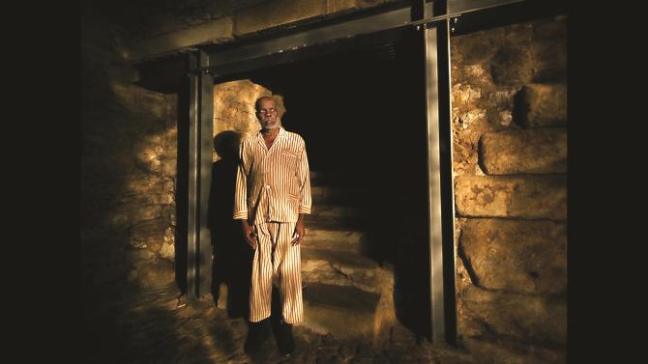
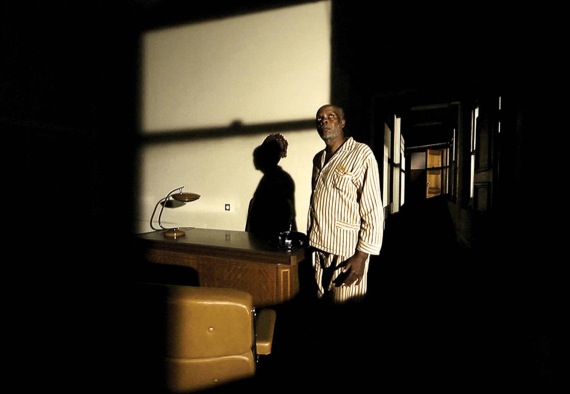
Again following the retired labourer Ventura, just as he was the focus of Colossal Youth, Costa casts a shaft of light on the largely uninhabited interior spaces within the hospital that his lead wanders through. Ventura, a man in his seventies, here appears making declarations of his youth, telling the doctor that he’s nineteen and was lost in Fontainhas, his past ever present and unresolved. He encounters Vitalina, she is waiting for her widow’s pension and tells the story, with whispered intensity, of how she struggled to obtain a visa to attend her husband’s funeral. Later Ventura comes upon Benvindo, waiting for his salary; ‘’How long have you been waiting?’’
‘’Over twenty years.’’

Such interactions might perhaps exist only in the mind of Ventura. He appears frail, trembling and confused. He’s vulnerable to the neglect of the state, determined – as are those he encounters – but from their perspective easy to ignore. Until that is, he’s apprehended attempting to leave and the sight of him surrounded by soldiers, cornered by a tank is an image that describes so much about the treatment of Portugal’s post-colonial forgotten peoples. It’s this subject that Costa has made his primary concern, documenting testimony from those whose voices would otherwise be unheard.
1408347207024_0570x0394_1408347221213

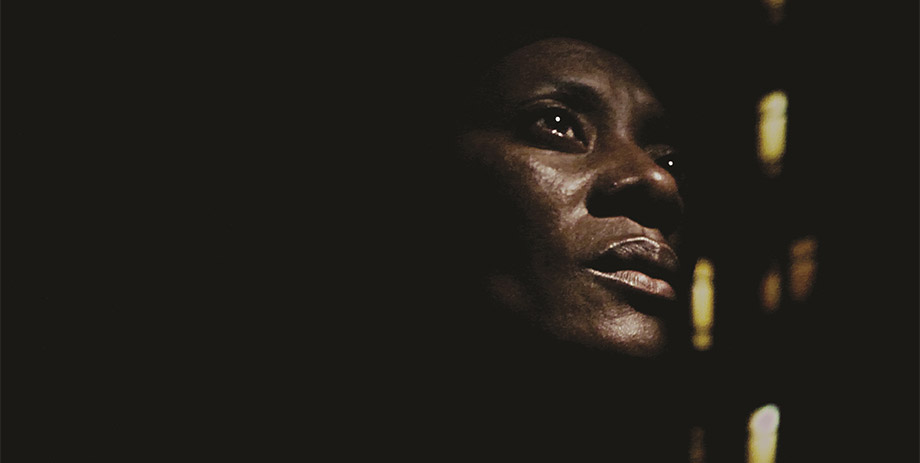
Costa and regular cinematographer Leonardo Simões use darkness to startling effect, as exterior light casts shadows on walls in otherwise opaque spaces, the shadow of a window frame creating a structural reference against which bodies are temporarily illuminated. Whenever a close-up occurs, its impact is magnified by the predominance of mid and wide compositions throughout, suddenly identifying the loss and desperation writ upon a lined face.

Horse Money can be thought of as a ghost story, where Ventura is at once haunting the establishment that failed him, and haunted by the voices of his community. Ventura is a figure carrying the weight of personal and collective experience with him, and here Costa has stretched his inhabiting of space and gathering of stories to its gloomy, mesmeric eventuality. An extraordinary and absorbing work of cinema.