My week in film: Irrational Man, Take One Action Film Festival, Dear White People and more…

An enforced film journal hiatus due to broadband limitation meant that the previous two weeks viewing has been mainly the re-watching of DVDs (the excellent Spaced) and one cinema trip, to see the intimate and frustrating The Closer We Get, left undocumented here. Since Internet connectivity has now been restored, a fuller reflection on the week’s screenings is possible, and happily, there’s a lot of viewing to reflect on.
The Price We Pay
The Price We Pay

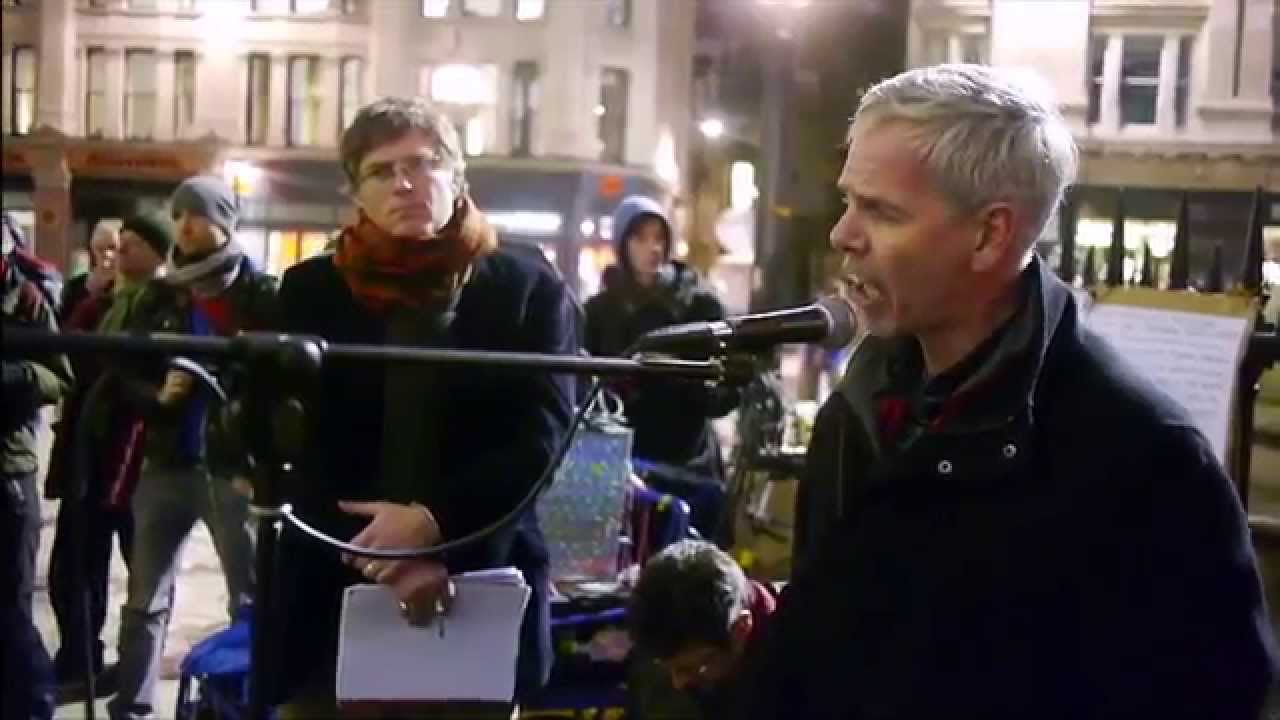
Take One Action Film Festival, which challenges its audiences to, ‘’See the change you wish to be in the world’’ opened on Wednesday 16 September with The Price We Pay, a documentary from Harold Crooks, the writer/director of Surviving Progress and a writer on The Corporation. Crooks’ new film focuses on the global financial system, with particular critique of The City of London’s financiers and off shore tax havens. Bringing together a wide spectrum of experts in tax law, sociology, politics and finance, The Price We Pay takes the form of a mostly talking heads structure, that was notable for the predominance of white, middle-aged men providing expert opinions. Though a fascinating insight to the loop holes of corporate finance and tax avoidance, and certainly demonstrating an appropriate outrage as the opener of T.O.A, there was nevertheless something dry and un-cinematic about Crooks’ approach, which lessened its power somewhat. At T.O.A it’s the issues that matter however, and a post-screening discussion moderated by Artistic Director Simon Bateson, with Alvin Mosioma, the Director of Tax Justice Network – Africa, Chris Hegarty of Christian Aid and the head of Oxfam Scotland, Jamie Livingstone, ignited and informed a passionate audience seeking just the kind of answers and insight that the festival encourages.
Dear White People
Dear White People

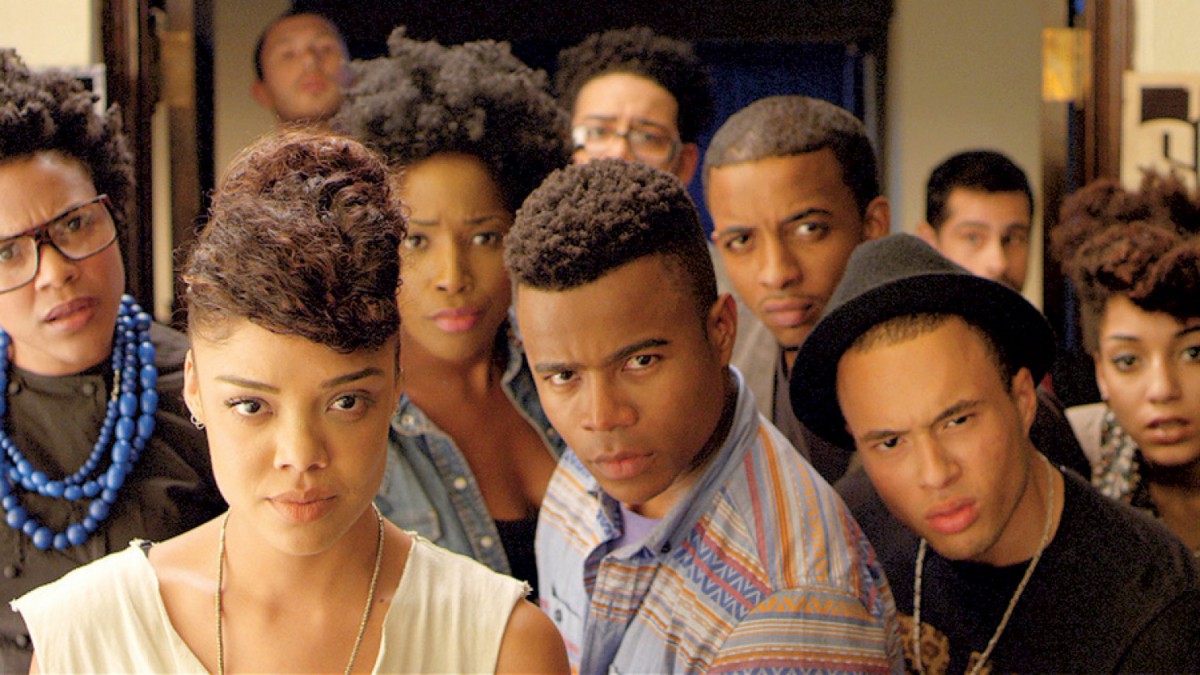
Justin Simien’s Dear White People, about the experience of four black students at an Ivy League college in the US, was pertinent and witty, tackling issues of blatant, hidden and institutionalised racism. Tessa Thompson leads the cast as Sam White, the daughter of a mixed-race couple who hosts the titular radio show, exposing the hypocrisy of the school’s inclusive policies and segregated housing, whilst also coming to terms with her own repressed intolerance. Writer/Director Simien has created a dense, necessary but very funny examination of the US college system, and the epilogue documenting actual instances of blatant racism within it, is the shock that demonstrates how necessary Dear White People is.

217805_604
Irrational Man

Elsewhere, the latest Woody Allen film, Irrational Man, starring Joaquin Phoenix and Emma Stone as professor and student of philosophy respectively, striking up ‘friendship’ and more whilst grappling with the morality of murder (a nod to Hitchcock’s Rope) was laboured yet somehow engaging. Both performances were excellent, as was Parker Posey as Phoenix’s colleague and lover, and watching such enthusiasm on screen provided a lot of the film’s enjoyment, but too many of the scenes were repetitive and the score just as much. Despite this, I got caught up in the drama of how Phoenix’s morally compromised professor would resolve his plight.

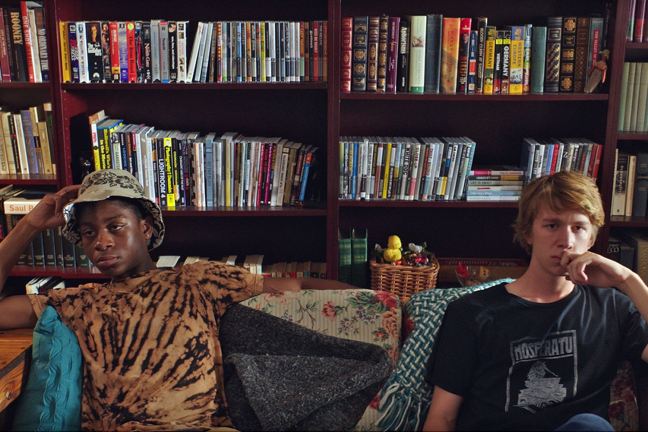
Finally, perhaps the most rewarding film viewed this week was Me and Earl and the Dying Girl, the second feature from director Alfonso Gomez-Rejon, whose previous work has included directing second unit for Nora Ephron and Martin Scorsese and episodes of Glee. Here Gomez-Rejon works from a screenplay written by Jesse Andrews adapting from his own best-selling novel of the same name. The film also won the Grand Jury Prize and Audience Award at Sundance 2015, but perhaps to its benefit, none of this was known to this writer prior to viewing the film. The Me of the title is Gregg (Thomas Mann), child of liberal, social anthropologist, film enthusiasts played by Nick Offerman and Connie Britton whose unconventional and loving parental guidance has nonetheless left Gregg with a crippling sense of his own awkwardness, as he attempts not to associate with any one high school clique. His best friend Earl (RJ Cyler), whom he refers to as a co-worker due to their prolific output as directors of pastiche tributes to classic cinema (Aguirre, Wrath of God, Midnight Cowboy and A Clockwork Orange among others), tolerates his awkwardness due to their mutual desire not to partake in the high school cafeteria’s jungle-like hierarchies. When Gregg is persuaded by his mother to visit Rachel (Olivia Cooke) because she’s been diagnosed with leukaemia, he’s forced to become an actual friend to someone, an act that ‘ruins his life.’

Me and Earl and the Dying Girl

So far, so high school, but I couldn’t help but be caught up in the turmoil and fun of this trio’s antics, probably because everything in the film is so damn charming and sympathetic. Gregg’s arc is to go from self-involved wannabe loner to authentic friend and though this at times is signposted too heavily by music cues and adorable stop-motion animation, there’s enough real poignancy from cast across the board to create genuine feeling. Offerman and Britton might be a bit slight in their characterisation, but Molly Shannon as Rachel’s mother brings an engaging desperation to her performance that is pitched just between funny and tragic. I can imagine my teenage self being deeply moved by Me and Earl and the Dying Girl, but that’s not to say my adult self didn’t shed a tear at the film’s inevitably heartrending end.

Also watched:

The Angels’ Share, Dir Ken Loach.
Girlhood. Dir. Céline Sciamma, Horse Money by Pedro Costa – watch this space for reviews/future on articles on both.

Now you can ‘like’ the Cinematic Investigations facebook page. Feel free to do so, to the right of this post.
My week in film: Trainwreck, The Diary of a Teenage Girl and more…

It’s been over a year since I updated my weekly film journal here on Cinematic Investigations and in that time I’ve worked for three festivals, visited four more (including IFFR and Alchemy in Hawick) and seen a host of fantastic films. Working for festivals means that any writing I do is mainly of the brochure copy kind, so it’s time now to catch up on viewing and share some thoughts on the latest cinema releases, my neglected stack of DVDs and the ever-increasing ‘to watch’ list of old and new classics.
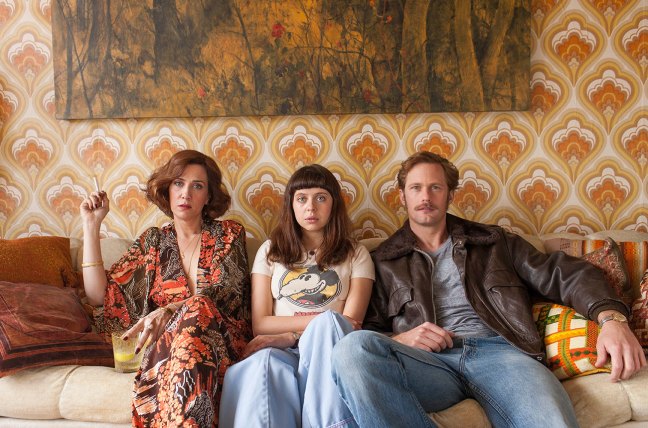
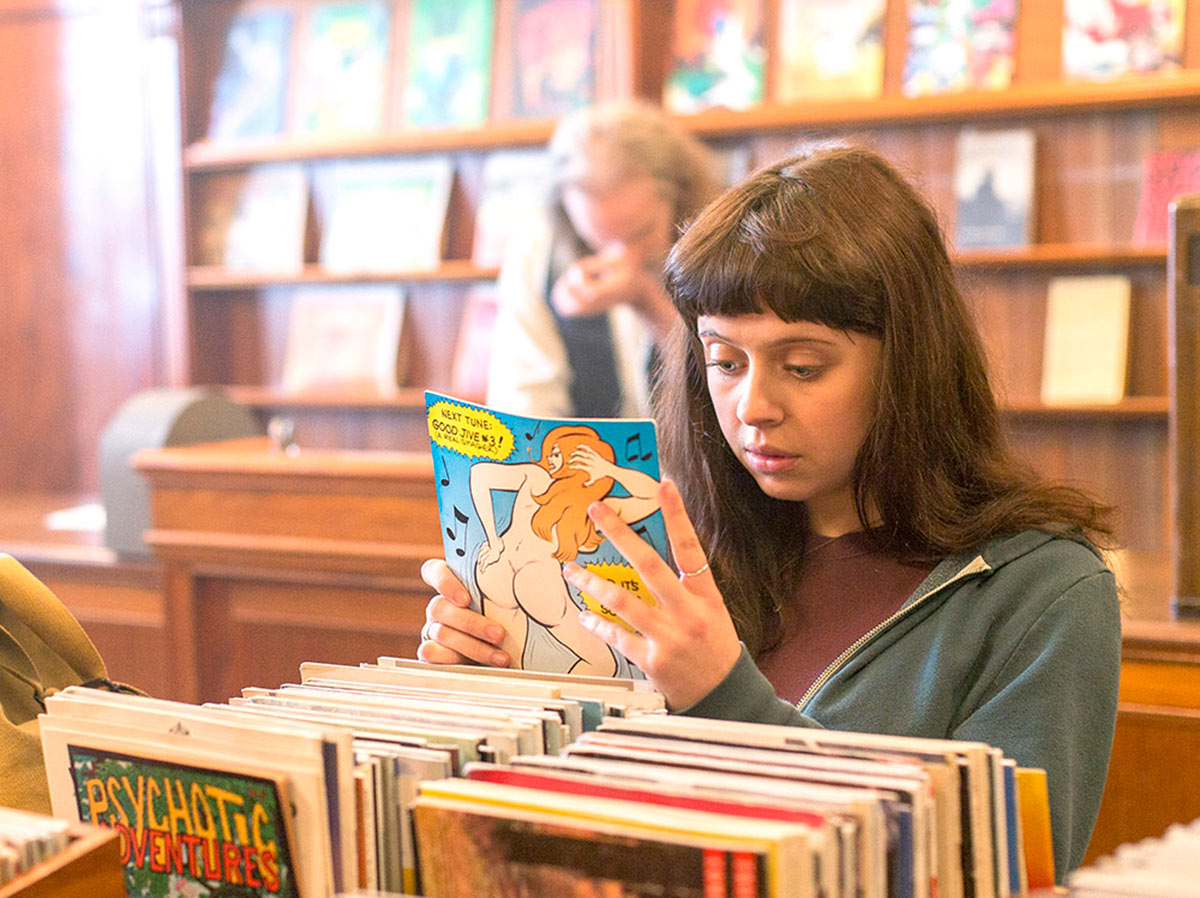
6One I missed at EIFF was The Diary of a Teenage Girl, Marielle Heller’s adaptation of Phoebe Gloeckner’s graphic novel starring Bel Powley and Alexander Skarsgård. Powley plays Minnie, a fifteen year old living with her mother, Charlotte (Kristen Wiig) and younger sister, Gretel (Abby Wait) in 1976 San Francisco. Minnie becomes involved with her mother’s boyfriend, Monroe (Skarsgård) and this first sexual experience awakens for her, a torrent of feelings about sexuality, power and responsibility. Powley’s performance is remarkable, portraying acutely Minnie’s potent teenage combination of naivety and self-awareness. Minnie is at once defiant in her desire for Monroe, whilst struggling with the feelings of vulnerability that such passion creates. Heller handles her directorial debut with confidence, always maintaining the perspective of her enthralling central character. Sara Gunnarsdottir’s animation perfectly incorporates Minnie’s inner world and the creativity that she’s just learning to harness, enhancing the narrative by opening up possibilities for the character beyond what she sees and hears.

The Diary of a Teenage girl is successful in presenting a female character unafraid of her sexuality, Minnie learns that her self-esteem has to come from accepting herself, rather than approval from men around her, as her mother has tried to teach her. It was interesting to compare it to Amy Schumer’s Trainwreck, which also presents a female character apparently content with their sexuality and autonomy within a male-oriented world (the office of a men’s lifestyle mag). Written by the very talented and funny Schumer, and directed by Judd Apatow (who I would only really give credit to for producing Girls), Trainwreck fails to support the independence of its central character – but what was I expecting from a film with such a judgemental title?
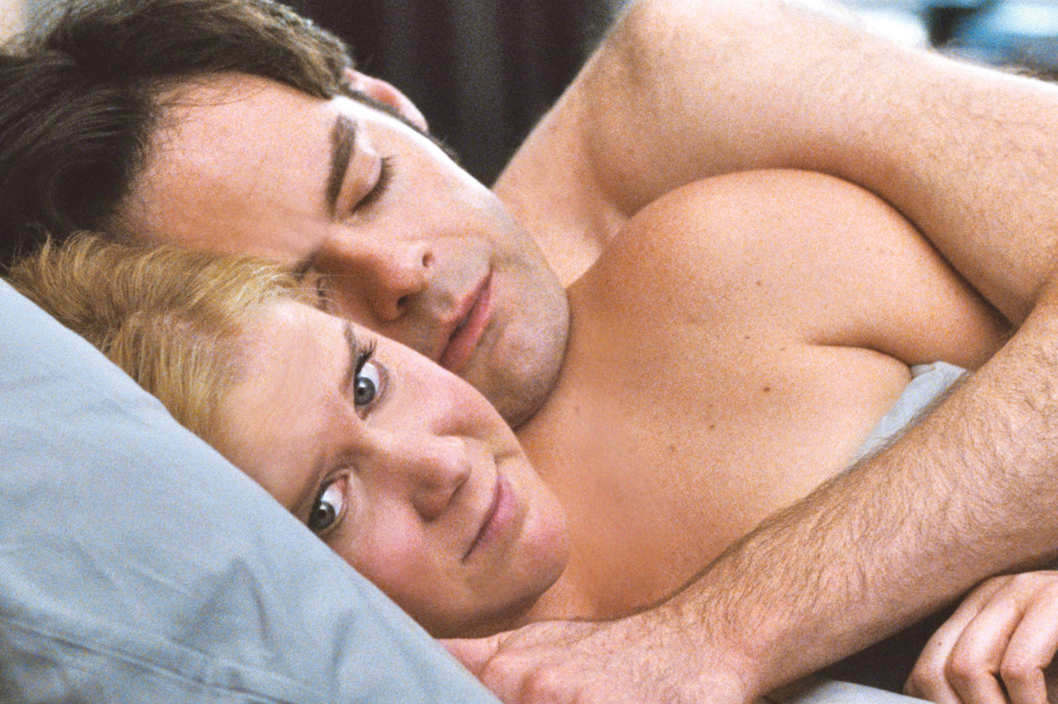
14-trainwreck.w529.h352.2xAmy is introduced as having been trained to reject monogamy by her father since childhood, now comfortably living alone and working as a writer for a magazine (Tilda Swinton is hilarious and almost unrecognisable as her editor, Dianna) and enjoying regular one-night-only sex with various men, and dates with sort-of boyfriend Steven (John Cena). Not an unusual lifestyle you might think, though perhaps one not represented in mainstream cinema so much, and yet despite Amy Schumer’s reliably feminist output in her TV show Inside Amy Schumer, Trainwreck seeks to delegitimise is protagonist’s choices. Amy’s refusal to ‘settle down’ is attributed to a fear of rejection and her ultimate lesson [sigh] proposes that her life until she falls in love with a nice doctor (Bill Hader) has just been training for ‘the main event.’ It’s a disappointing descent into romantic comedy cliché, where Amy is presented as just another immature Apatow-type rogue, one that must conform to marriage and children to be truly ‘happy.’ Where Schumer regularly critiques a culture that infantalises women and makes them complicit in attempting to attain sexual desirability – and certainly Trainwreck’s Amy is presented as the product of such hypocritical messages – it’s the resolution for the character that’s problematic here. How radical it would have been if Amy had instead learned to love herself, and maybe started her own magazine.
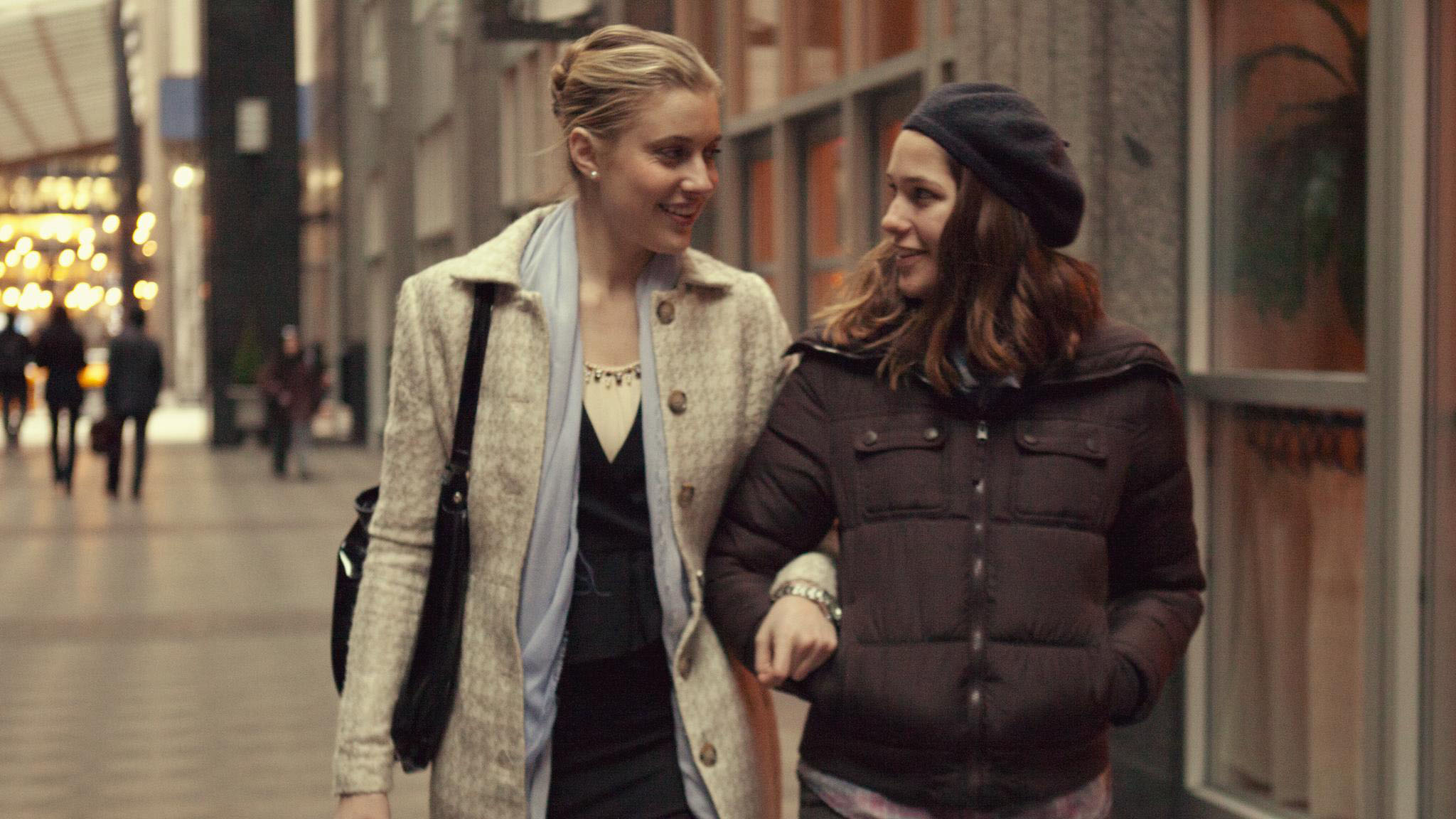
mistress-americaAnother, more effective and charming portrayal of female lives is Mistress America, the second collaboration between writer/actor Greta Gerwig and director Noah Baumbach following the brilliant Frances Ha. Gerwig plays Brooke, a self-proclaimed autodidact who tumbles into the life of soon-to-be stepsister Tracy (Lola Kirke) who is trying to navigate the awkwardness of college for the first time. Tracy becomes fascinated with Brooke’s life, which encompasses various jobs including maths tutoring, spin class instructing, interior decorating and her latest enterprise, opening a restaurant. Unbeknownst to Brooke, Tracy uses her as subject of new short stories, her whirlwind of costume changes, appointments, confident declarations of advice and apparent self-awareness giving Tracy the impression of someone maintaining the illusion of togetherness. This fast-paced screwball comedy doesn’t require its characters to learn anything though they are given plenty of opportunities to do so. Rather that Tracy and Brooke are in altered circumstances by the end of the film feels entirely convincing as having come from the characters themselves. Tracy looks at Brooke and thinks that, as a person twelve years her senior, she should have life ‘figured out’ by now and both judges and admires her. Whereas in Brooke’s mind her experience tells her that the years she has on Tracy are irrelevant.

Also watched:

Hedwig and the Angry Inch, dir John Cameron Mitchell, 2001. Sing-a-long screening at Filmhouse.
Inside Out, dir Pete Doctor, co-directed by Ronnie del Carmen

IFFR 2015: The Chambermaid Lynn, interview with director Ingo Haeb

Approaching his adaptation of Markus Orths’ novel, director Ingo Haeb knew that he couldn’t take the narrative of a cleaning-obsessed chambermaid only at face-value; ‘’it was clear that it was a modern, adult, fairy-tale’’ says Haeb. Whereas the novel presented the experience of Lynn plainly, without any doubt as to the actuality of her experiences, when envisioning the source as a more ambiguous, cinematic work, for Haeb; ‘’the distance between the audience and the character is gone, so I wanted to keep it open.’’

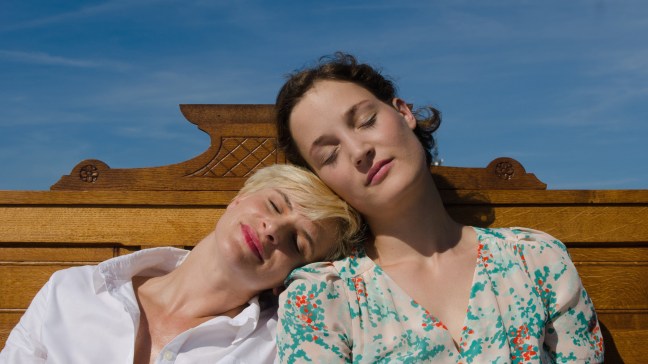
The Chambermaid Lynn follows its titular heroine as she goes about her weekly routine, working at the Eden Hotel cleaning the rooms with a fastidiousness that outstrips the efforts made by the other chambermaids. Lynn (Vicky Krieps) is fascinated by the lives of the hotel’s guests, and examines the remnants of their lives – clothes, books, etc. that they leave behind when they go out. One day hiding under the bed to avoid detection, Lynn is immediately hooked on another aspect of one guest’s life, when he hires dominatrix, Chiara (Lena Lauzemis). Having compartmentalised her sexual life, much like work, exercise and cleaning, Lynn is desperate to know what it would be like disrupt the order that she has created, and so makes a date with Chiara too.

Visualising Lynn’s world involved meticulous planning by Haeb, who focused on the smallest details, such as the colour of a telephone, or the way Lynn’s hair is parted, in order to convey the structures that the character has put in place in order to go unnoticed, which meant that for the production design; ‘’everything becomes important.’’ This careful approach also extended to making sure the audience could understand the origin of Lynn’s obsessiveness, through the relationship with her mother (Christine Schorn). To do so, Haeb consulted a psychologist/philosopher, who could advise what kind of maternal relationship would produce Lynn’s particular coping methods, and her attitude to sex – says Haeb; ‘’with this kind of mother, she [Lynn] would have the psyche that ‘I never had sex, but sex is done to me’.’’ Such an important relationship becomes key to understanding Lynn’s initial reticence when attempting a less passive approach to intimacy with Chiara.

Far from being the familiar story of a sexual awakening however, The Chambermaid Lynn is successful in showing the shifting power dynamic between Lynn and Chiara. For someone for whom sex is simply a perfunctory activity, it is feeling at all – rather than feeling for a woman – that is important. Says Haeb; ‘’this is not a coming out story’’ rather, Lena was cast as Chiara for her androgyny, having neither the particular energy of a man or a woman; ‘’she’s neutral [to Lynn].’’ While Lynn begins to gains confidence in the new feelings she’s experienced, for Chiara, her feelings – and Lynn’s – make her vulnerable. Plunging into something new is all part of human nature for the director however, and though we see Lynn grow and take risks in the film, for Haeb; ‘’getting what you want and going too far’’ is inevitable.

Originally published in the Daily Tiger, 28 January 2015. Republished with permission from International Film Festival Rotterdam.