

It’s been over a year since I updated my weekly film journal here on Cinematic Investigations and in that time I’ve worked for three festivals, visited four more (including IFFR and Alchemy in Hawick) and seen a host of fantastic films. Working for festivals means that any writing I do is mainly of the brochure copy kind, so it’s time now to catch up on viewing and share some thoughts on the latest cinema releases, my neglected stack of DVDs and the ever-increasing ‘to watch’ list of old and new classics.
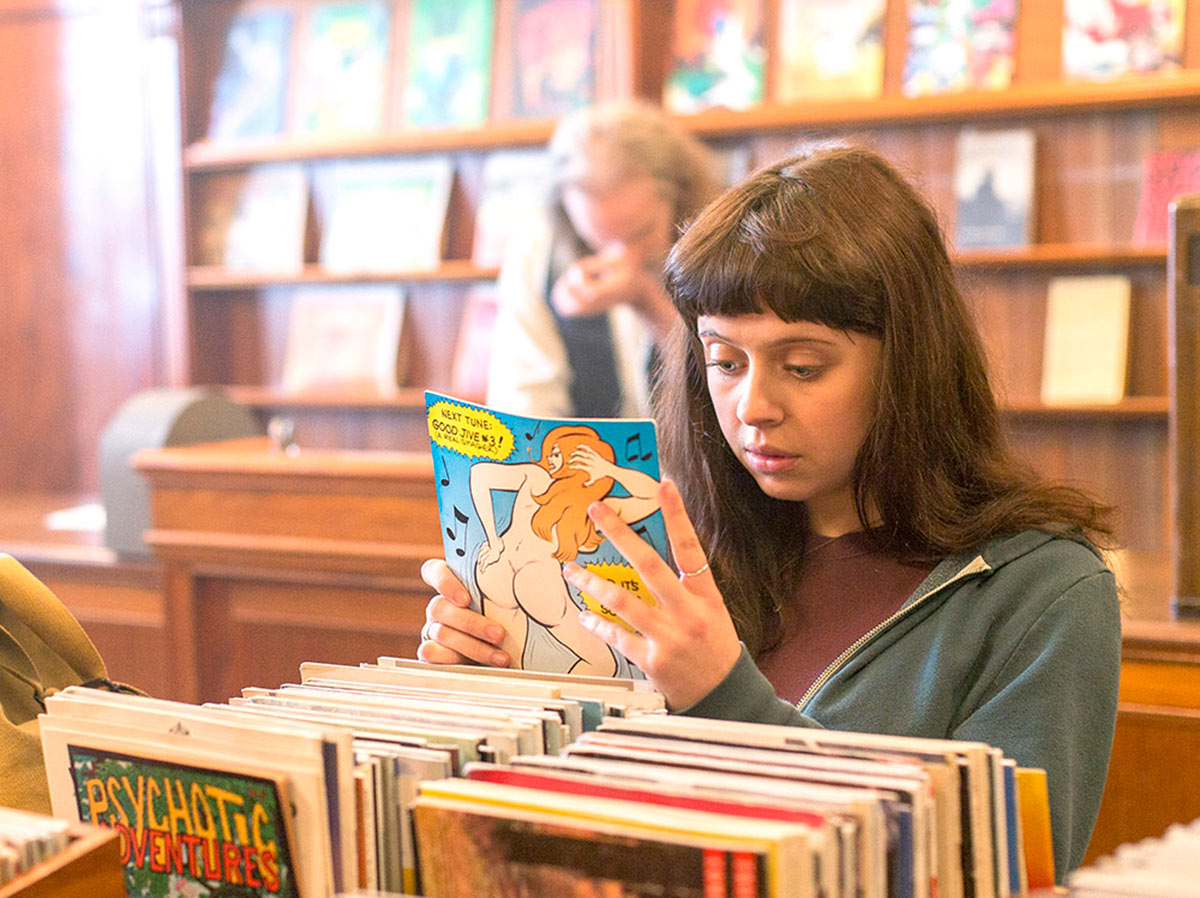 One I missed at EIFF was The Diary of a Teenage Girl, Marielle Heller’s adaptation of Phoebe Gloeckner’s graphic novel starring Bel Powley and Alexander Skarsgård. Powley plays Minnie, a fifteen year old living with her mother, Charlotte (Kristen Wiig) and younger sister, Gretel (Abby Wait) in 1976 San Francisco. Minnie becomes involved with her mother’s boyfriend, Monroe (Skarsgård) and this first sexual experience awakens for her, a torrent of feelings about sexuality, power and responsibility. Powley’s performance is remarkable, portraying acutely Minnie’s potent teenage combination of naivety and self-awareness. Minnie is at once defiant in her desire for Monroe, whilst struggling with the feelings of vulnerability that such passion creates. Heller handles her directorial debut with confidence, always maintaining the perspective of her enthralling central character. Sara Gunnarsdottir’s animation perfectly incorporates Minnie’s inner world and the creativity that she’s just learning to harness, enhancing the narrative by opening up possibilities for the character beyond what she sees and hears.
The Diary of a Teenage girl is successful in presenting a female character unafraid of her sexuality, Minnie learns that her self-esteem has to come from accepting herself, rather than approval from men around her, as her mother has tried to teach her. It was interesting to compare it to Amy Schumer’s Trainwreck, which also presents a female character apparently content with their sexuality and autonomy within a male-oriented world (the office of a men’s lifestyle mag). Written by the very talented and funny Schumer, and directed by Judd Apatow (who I would only really give credit to for producing Girls), Trainwreck fails to support the independence of its central character – but what was I expecting from a film with such a judgemental title?
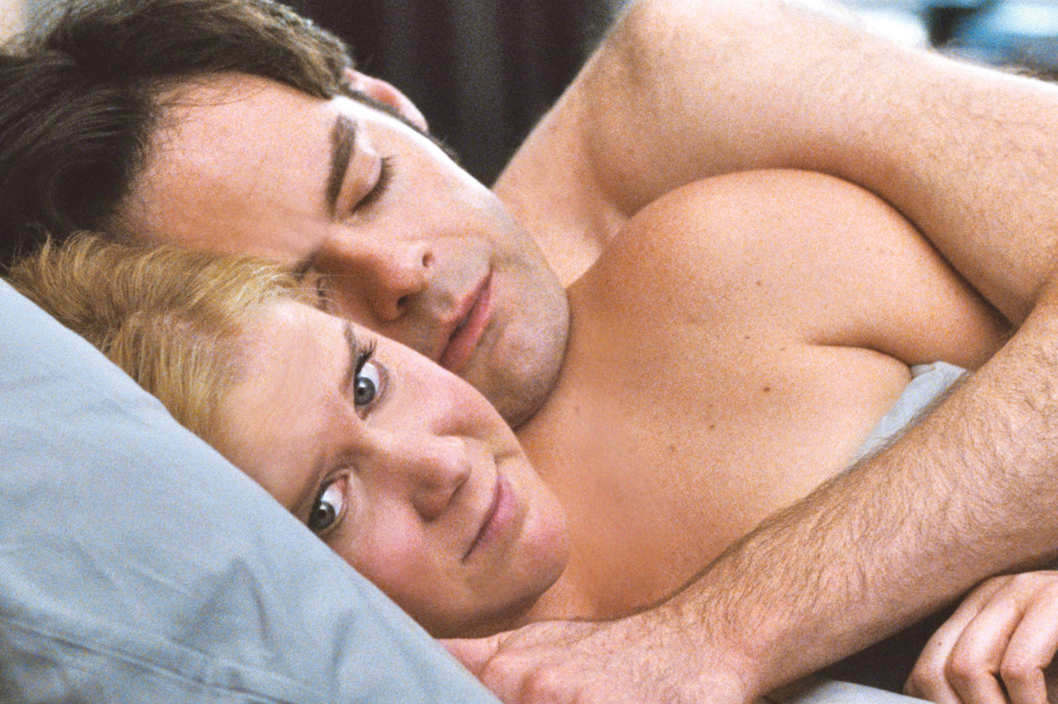 Amy is introduced as having been trained to reject monogamy by her father since childhood, now comfortably living alone and working as a writer for a magazine (Tilda Swinton is hilarious and almost unrecognisable as her editor, Dianna) and enjoying regular one-night-only sex with various men, and dates with sort-of boyfriend Steven (John Cena). Not an unusual lifestyle you might think, though perhaps one not represented in mainstream cinema so much, and yet despite Amy Schumer’s reliably feminist output in her TV show Inside Amy Schumer, Trainwreck seeks to delegitimise is protagonist’s choices. Amy’s refusal to ‘settle down’ is attributed to a fear of rejection and her ultimate lesson [sigh] proposes that her life until she falls in love with a nice doctor (Bill Hader) has just been training for ‘the main event.’ It’s a disappointing descent into romantic comedy cliché, where Amy is presented as just another immature Apatow-type rogue, one that must conform to marriage and children to be truly ‘happy.’ Where Schumer regularly critiques a culture that infantalises women and makes them complicit in attempting to attain sexual desirability – and certainly Trainwreck’s Amy is presented as the product of such hypocritical messages – it’s the resolution for the character that’s problematic here. How radical it would have been if Amy had instead learned to love herself, and maybe started her own magazine.
 Another, more effective and charming portrayal of female lives is Mistress America, the second collaboration between writer/actor Greta Gerwig and director Noah Baumbach following the brilliant Frances Ha. Gerwig plays Brooke, a self-proclaimed autodidact who tumbles into the life of soon-to-be stepsister Tracy (Lola Kirke) who is trying to navigate the awkwardness of college for the first time. Tracy becomes fascinated with Brooke’s life, which encompasses various jobs including maths tutoring, spin class instructing, interior decorating and her latest enterprise, opening a restaurant. Unbeknownst to Brooke, Tracy uses her as subject of new short stories, her whirlwind of costume changes, appointments, confident declarations of advice and apparent self-awareness giving Tracy the impression of someone maintaining the illusion of togetherness. This fast-paced screwball comedy doesn’t require its characters to learn anything though they are given plenty of opportunities to do so. Rather that Tracy and Brooke are in altered circumstances by the end of the film feels entirely convincing as having come from the characters themselves. Tracy looks at Brooke and thinks that, as a person twelve years her senior, she should have life ‘figured out’ by now and both judges and admires her. Whereas in Brooke’s mind her experience tells her that the years she has on Tracy are irrelevant.
Also watched:
Hedwig and the Angry Inch, dir John Cameron Mitchell, 2001. Sing-a-long screening at Filmhouse.
Inside Out, dir Pete Doctor, co-directed by Ronnie del Carmen

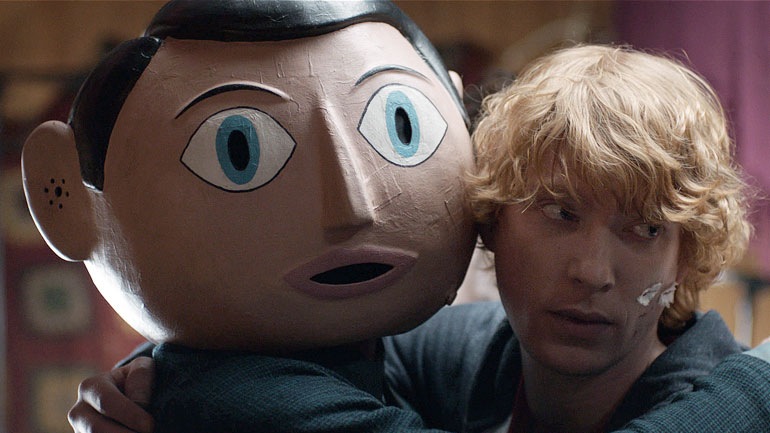
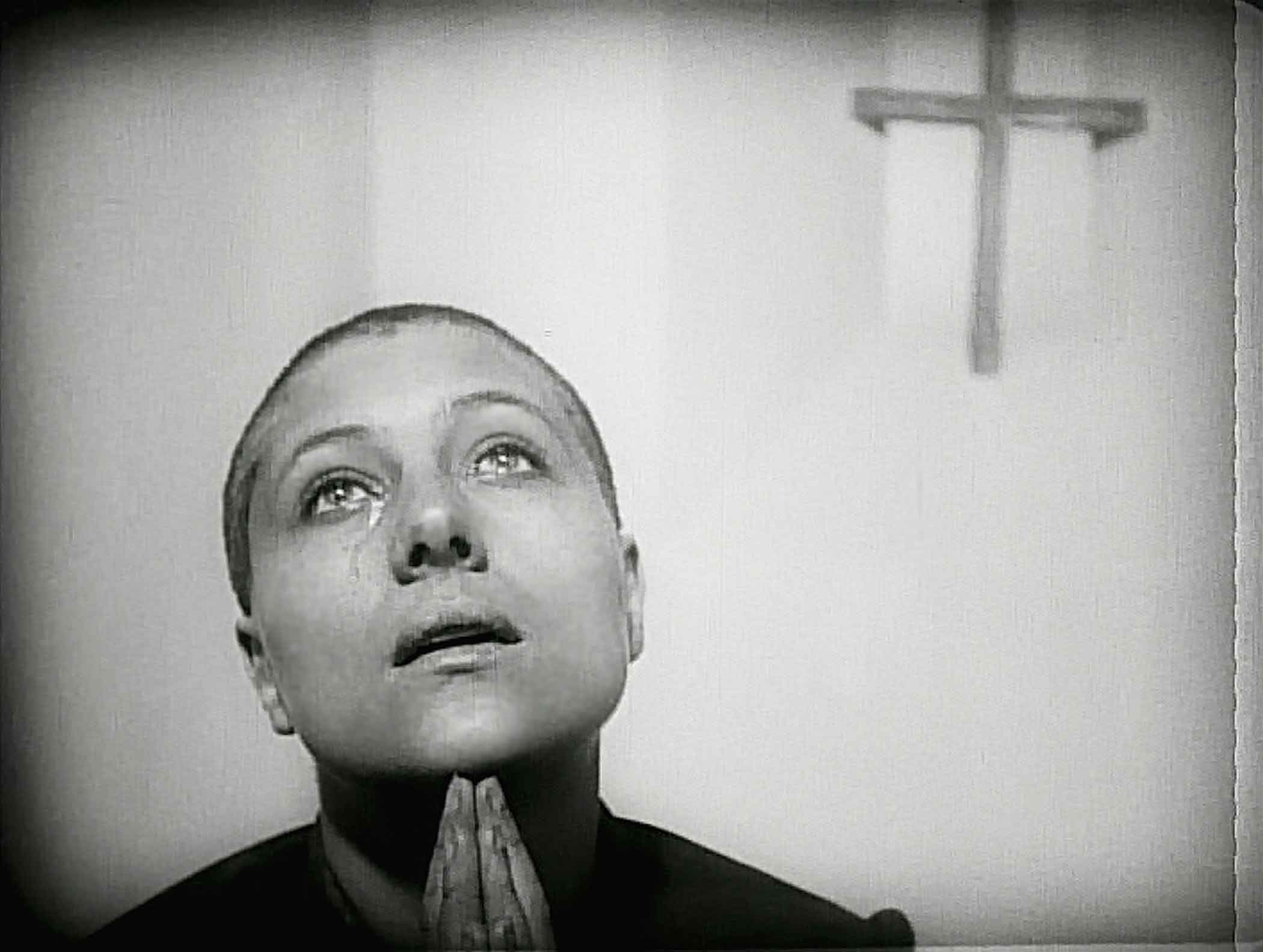


 Inspired by the effervescent
  nd the battle for morality and ethics in the birth of psychoanalysis, as represented by Jung’s torment at this relationship with a patient, Sabina Spielrein (Keira Knightly).
 cinematicinvestigations.com