Enchanting my heart, DVD Review: Innocent Sorcerers

The first thing worth noting about Innocent Sorcerers is that it looks simply stunning. Transferred from a new high definition restoration, approved by the director, the image quality is crisp, the sound pitch perfect, showing off the film’s gorgeous greyness to full effect. The platinum crop of central character Andrzej (Tadeusz Lomnicki) literally shines with silvery greatness – signalling him as the hippest of the films cast of free-spirited youth. In a new interview the film’s director, Andrzej Wajda – he tells of how impressed he is with new restorations of his films, describing how he barely recognises them as his own work.

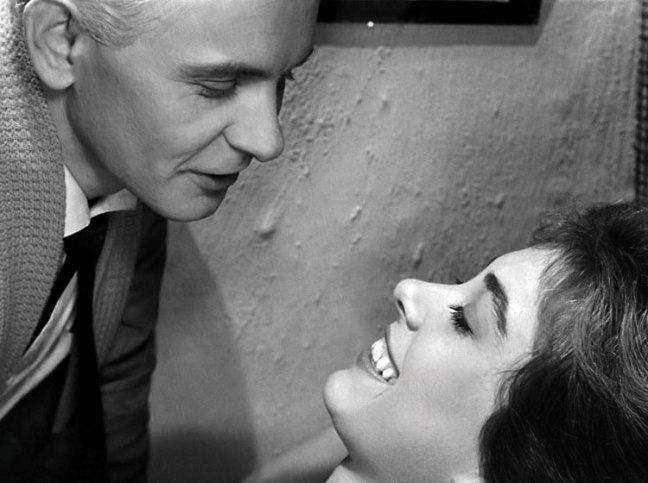
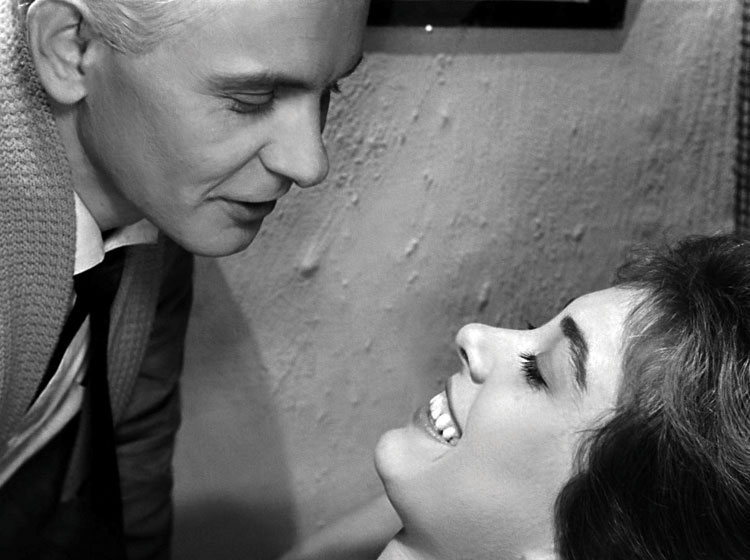
The freshness of Innocent Sorcerers is just one of the films many achievements; centring on the aforementioned Andrzej – a recently graduated sports doctor by day and Jazz drummer by night – Wajda depicts the life of the post-war generation in Warsaw. Untrammelled by a war they were too young to fight in, instead their rebellion is against the State’s imposed conformity and involves carving out a more independent lifestyle. Andrzej has seemingly no trouble finding female company but when his friend asks him to talk a woman on his behalf he is still surprised that Pelagia (Krystyna Stypulkowska) is willing to accompany him back to his apartment after she misses her train. Matching his attempts at seduction with quick wit at every turn, Pelagia is both charming and more mature than the women Andrzej is used to meeting. Deciding they should define the boundaries of their evening together, the two create an agreement of the night’s interactions and pin it to the wall.
Depicting young people in this way was not familiar territory for Wajda. In the aforementioned interview he describes the emergence of the Polish Film School, a term coined by French critics that came to represent the endeavour of directors, writers etc. such as Wajda to tell stories about only one subject – what they had been through in the war. Feeling the guilt of surviving when his friends did not, Wajda’s previous features, A Generation (1955), Kanal (1957) and Ashes and Diamonds (1958) are cited as his attempts to depict their experiences. The attempt to represent the current, younger generation did not come as easily however, and required the experiences of one such hip, emerging artist to inform the authenticity of Innocent Sorcerers – Jerzy Skolimowski. At the time he was an aspiring poet – hired to co-write the script, he also appears as a boxer, a sport for which he had particular enthusiasm.

Skolimowski’s small part demonstrates a vital energy – his is just one of many bright performances throughout the film and indeed leads Stypulkowska and Lomnicki have a chemistry that supports the majority of the running time. Pelagia, with a wry smile, enlightens Andrzej (or ‘Bazyli’ as he names himself as the beginning of their agreement) on the defining characteristics of their generation – that in all their assuredness; in fact they know nothing of the world.

The life of liberty that Wajda depicted on screen inevitably incurred demands for cuts from the censors. Perhaps most surprising is the offence they took to a scene in which Andrzej switches off his tape recorder with his foot. This seemingly small act occurs during one of many sprawling long takes, and in which we are introduced to the casual morning routine of our central character. According to Wajda, the censors found the use of the foot in the scene to be of utmost offence to the plight of the worker and that it showed ‘contempt to technology and labour.’

Innocent Sorcerers is a film constructed within its own cinematic world – opening on one of Andrzej’s lovers strolling in front of a poster for the film, we also hear a song on the radio announced as being from the hit film we are watching, not to mention a gorgeous close-up of the jazz club singer staring directly into the camera as she croons, “You enchanted my eyes, You enchanted my heart, Your sorcery Enchanted my world” – perhaps a delirious ode to the illusionist power of cinema.

Accompanying Second Run DVD’s release is a new essay by Michal Oleszczyk in which he notes that Godard’s Breathless (Á bout de souffle) was shot at the same time as Innocent Sorcerers  – a perfect coincidence of two films concerning ‘rebellious’ youth simultaneously coming to fruition, creating separate portraits of the French and Polish post-war generation. What a fantastic double bill that would be.
Our beloved Miguel Gomes

Would having dinner with Miguel Gomes be a suitable substitute for seeing his celebrated film, Tabu? This was the question on my mind as I anticipated the evening of its screening at Edinburgh International Film Festival. I had been looking forward to seeing the film in the perfect darkness of Filmhouse One ever since the festival secured it earlier in the year. There was a certain quiet excitement among staff (and I’m sure audiences) about seeing the film that impressed so many in Berlin. Working for the fest, I’d had a chance to see it, but passed it up in favour of the public screening – its UK premiere. When the time came my plans for the evening changed – rather than see the film I would be accompanying guests to the EIFF Ceilidh, one of whom was Miguel – thereby helping out the very busy Artistic Director. It was a tough job, but someone had to do it.

I liked Miguel instantly – he claimed to desire only whisky since he landed on Scottish soil. On the way to dinner I apologised that I hadn’t seen his film yet, and rather than be offended he was very self-effacing about its quality and told me not to worry, saying – you know there’s this other very famous film called Tabu, and mine isn’t as good as that (I’m paraphrasing of course). Miguel turned out to be brilliant company – having now seen Tabu and his earlier film, Our Beloved Month of August its clear that his wonderfully dry sense of humour directly translates to his filmmaking style.

Tabu has been described as a cinephile’s film – something that I must admit piqued my interest initially. I always get enthused when I hear such claims being made – they throw up such wonderful associations of reflexivity, references to cinema history and command of film language. I’m not ashamed to belong to the cinephile gang – mainly because it’s the only gang I’ve ever been qualified for. Happily, perhaps, Tabu can also be thought of as a love story, a tribute to romantic melodramas of the 1950’s and ‘60s’s.

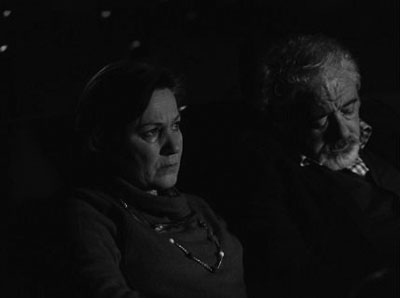
A film of two halves, Tabu’s first, titled ‘A Lost Paradise’ concerns a woman named Pilar (Teresa Medruga, pictured above); melancholy and lonely, she is neighbour to Aurora (Laura Soveral) – an eccentric older woman who has squandered her money countless times gambling, while her maid, Santa (Isabel Cardoso) patiently bears the brunt of her paranoid, vicious outbursts. Aurora claims that Santa is holding her captive and Pilar’s concern for her grows as her anxiety reaches ever-increasing levels. When Aurora is finally hospitalised, Pilar is tasked with finding the mysterious Gian Luca Ventura (Henrique Espírito Santo), Aurora’s former lover. The second part of the film titled, ‘Paradise’ sees Ventura tell the tale of the pair’s affair in colonial Africa.

This short synopsis in no way does justice to the myriad pleasures of Tabu. Opening with a prologue about a Portuguese adventurer in Africa, seeking to abandon his despair for a lost love in the lush landscape – this episode turns out to be the film Pilar is watching – introducing us to the setting of Aurora’s romance and inviting us into the mystical unreality of the film world.  Pilar is a character that seems enveloped with sadness – she wants to care for someone, and be cared for but there’s awkwardness to her social interactions. When Aurora seeks her help, she is almost enlivened by it – discovering the drama that fascinates her and the tragedy of this enigmatic figure’s past. Gomes creates in Pilar, an analogy for the cinema audience – fixated and hungry for the twist in the tale that will deepen the film’s meaning. Finding Ventura plunges Pilar and by turns we, the audience back in time to the sweet despair of a doomed lover’s adventure.

‘Paradise’ is first narrated by Ventura, beginning with a wonderfully playful moment that at once changes the mood of the film, paying homage to silent cinema and establishing Tabu as a masterful sound film. Following Aurora’s funeral, Pilar, Santa and Ventura go to a café in a mall. The camera pans left to show the artificiality of the setting, fake palm trees and a Toucan that reaffirm the virtuality of the film world. Just as Pilar takes a sip of water, Ventura speaks; “She had a farm in Africa”, to which Pilar replies; “Pardon?” at which point the diegetic sound cuts out, and the image cuts to younger Aurora and an extended flashback.  ‘Paradise’ in fact contains no spoken dialogue, or sub or intertitles to describe what the characters say to each other, relying instead on voice-over narration by Ventura: Henrique Espírito Santo’s caramel toned voice so evocative of longing and weariness. By foregrounding the narration, Gomes highlights the potential for incongruity between sound and image, and the delightful subjectivity of the remembered past.


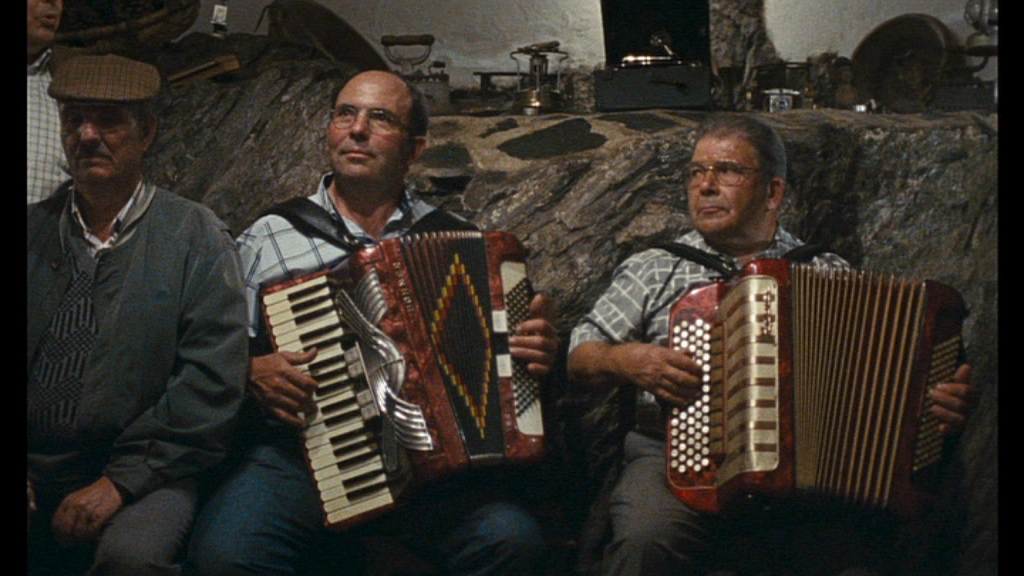
Gomes uses music to wonderful effect throughout Tabu. There’s something so desperately sad about The Ronettes’s ‘Baby I Love You’ and ‘Be My Baby’ – in this case sung in Spanish – that demonstrates the nostalgia inherent in the film and the sometime purity of sentiment in pop music. Music is also very important in Gomes previous feature, Our Beloved Month of August (2008, pictured above) set in rural Portugal. Like Tabu, Gomes’ highly celebrated earlier work is also a film structured in two parts, and one that brilliantly dissolves the line between documentary and fiction.

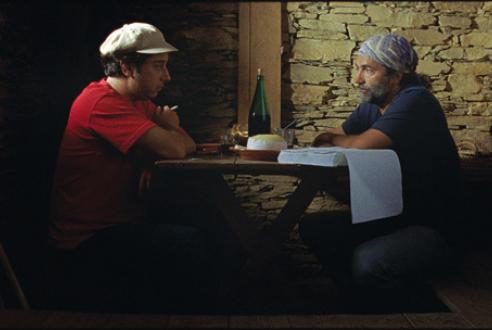
Shot over two summers, the problems of the production are made clear in the film, with Gomes’ producer (pictured above, with Gomes on the left) visiting him to find out why the film he was expecting isn’t yet cast. That the same person turns up later in the film cast as one of the characters he describes is just one of many instances of Gomes witty dissection of the filmmaking process and arbitrariness of what is real/unreal. The musical aspect comes in the form of a focus on the amateur bands commonplace in the region of Arganil, where the film was shot. These bands mainly play love songs whose lyrics describe an array of woeful tales: stories that mimic those told by locals about themselves and their neighbours. One particularly lovely scene sees two men discussing their involvement in the film. Framed from behind them – as though eavesdropping, we learn that they are both locals to the area who were cast to play parts in the ‘fictional’ part of the film. One of them is baffled and perturbed by the spontaneous and seemingly disorganised nature of filmmaking: that he memorised his script and was at the last minute given new lines to learn. The other is more relaxed having acted before, but both are enthusiastic about being included and don’t want to appear as though they are really inconvenienced by the directors inherently strange methodology.

Later we see the two performing their roles with the utmost naturalism, or at least they seem to – perhaps the previous scene has established in the viewer a familiarity with the ‘actors’ that dissembles our preconceptions about what – in this film – performance really is. In the Second Run DVD release of Our Beloved Month of August, an essay by Keiron Corless quotes Gomes on his cast: ‘Although they are playing characters in the second half of the film, at the same time it continues to be a documentary about how these people play characters.’

Also included on the Second Run’s release is Gomes short film, Canticle of All Creatures, another marvellous combination of music, image and narrative that defies categorisation and contains an earlier example of the natural/awkward performing seen in Tabu. I’m very lucky to have met Miguel Gomes and I urge everyone to see his films, to give in to preconceptions of linearity, the boundaries of characterisation, and documentary/fiction and simply bathe in his gloriously ambiguous cinematic creations.  

Investigating the Cinema of 2011

It’s January again, a time for planning the New Year’s activities, films to watch, ones to look forward to and also a time for reflection. Unsurprisingly I have been thinking about the films I’ve seen this year – of which there are hundreds when I include cinema outings, DVD’s rented, films watched online and special ones bought or borrowed.

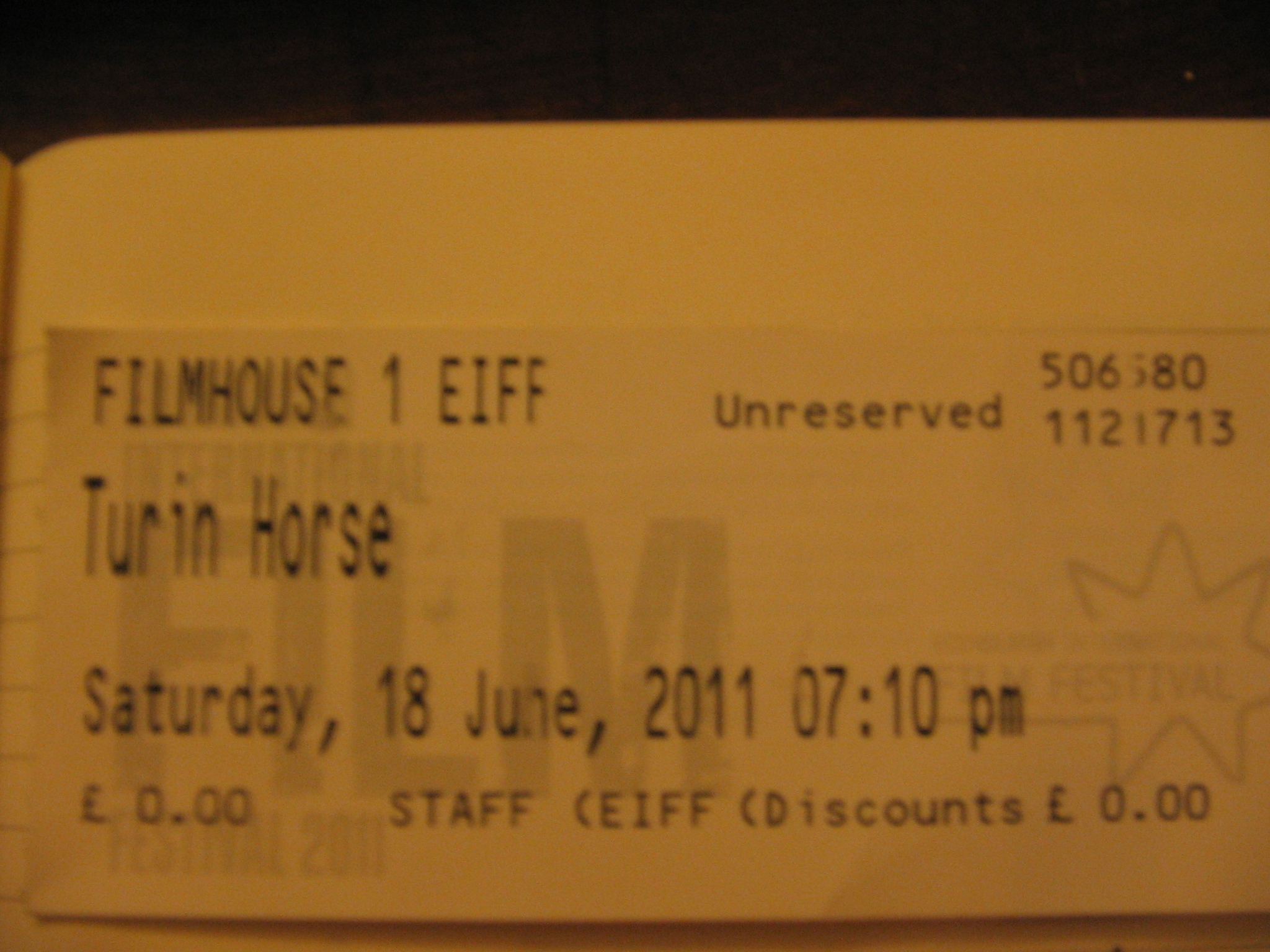
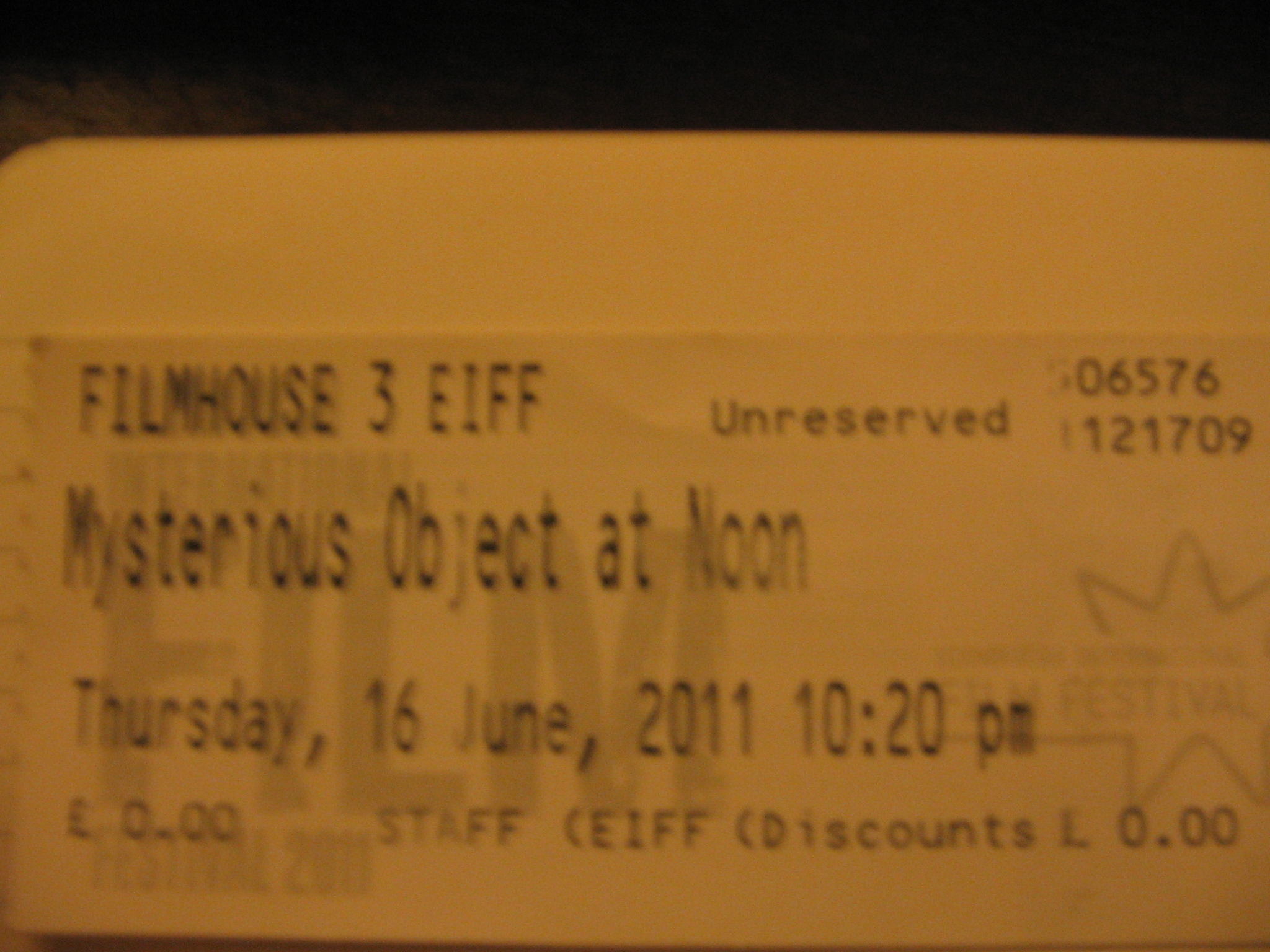
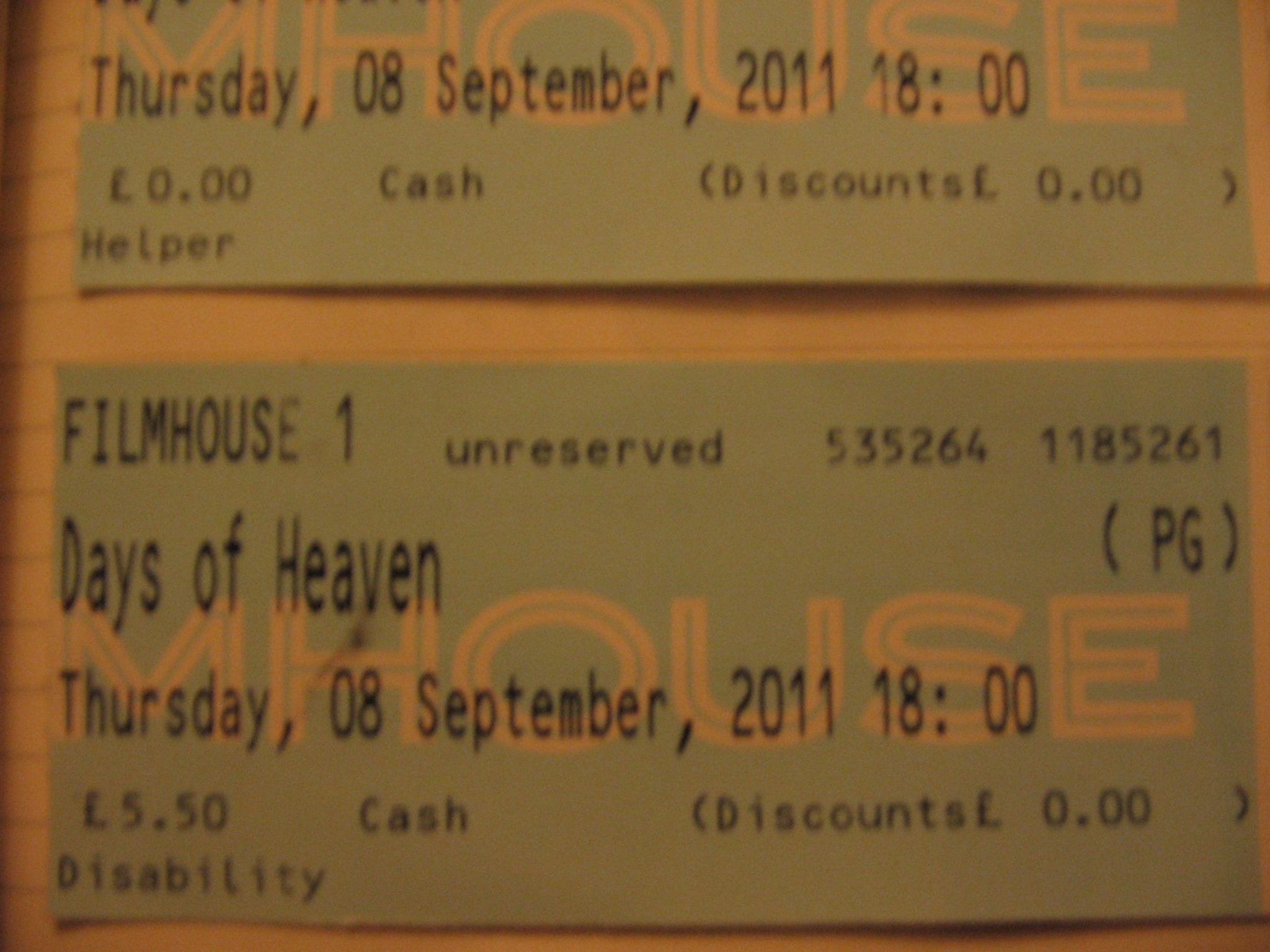
In order to narrow down my review of 2011 however, I am going to concentrate merely on cinema experiences; represented here by pictures of the tickets I have archived for the year. They include those of re-released classics, as those moments when the lights go down and the curtain pulls back are truly ones worth investigating!

Pina by Wim Wenders

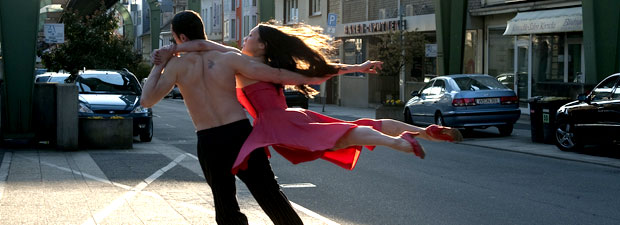
In no particular order then, I begin with Wim Wenders’ Pina, a 3D documentary about the late choreographer Pina Bausch. Featuring interviews with dancers and collaborators as well as archive material of Pina herself, some of the real pleasure of this film came from the new performances of her work. Whether on stage or taken outside into the landscape or urban space, the intangibility of the digital created a wonderful tension, as movements appeared indiscernible from one dancer to the next and leapt from the screen.

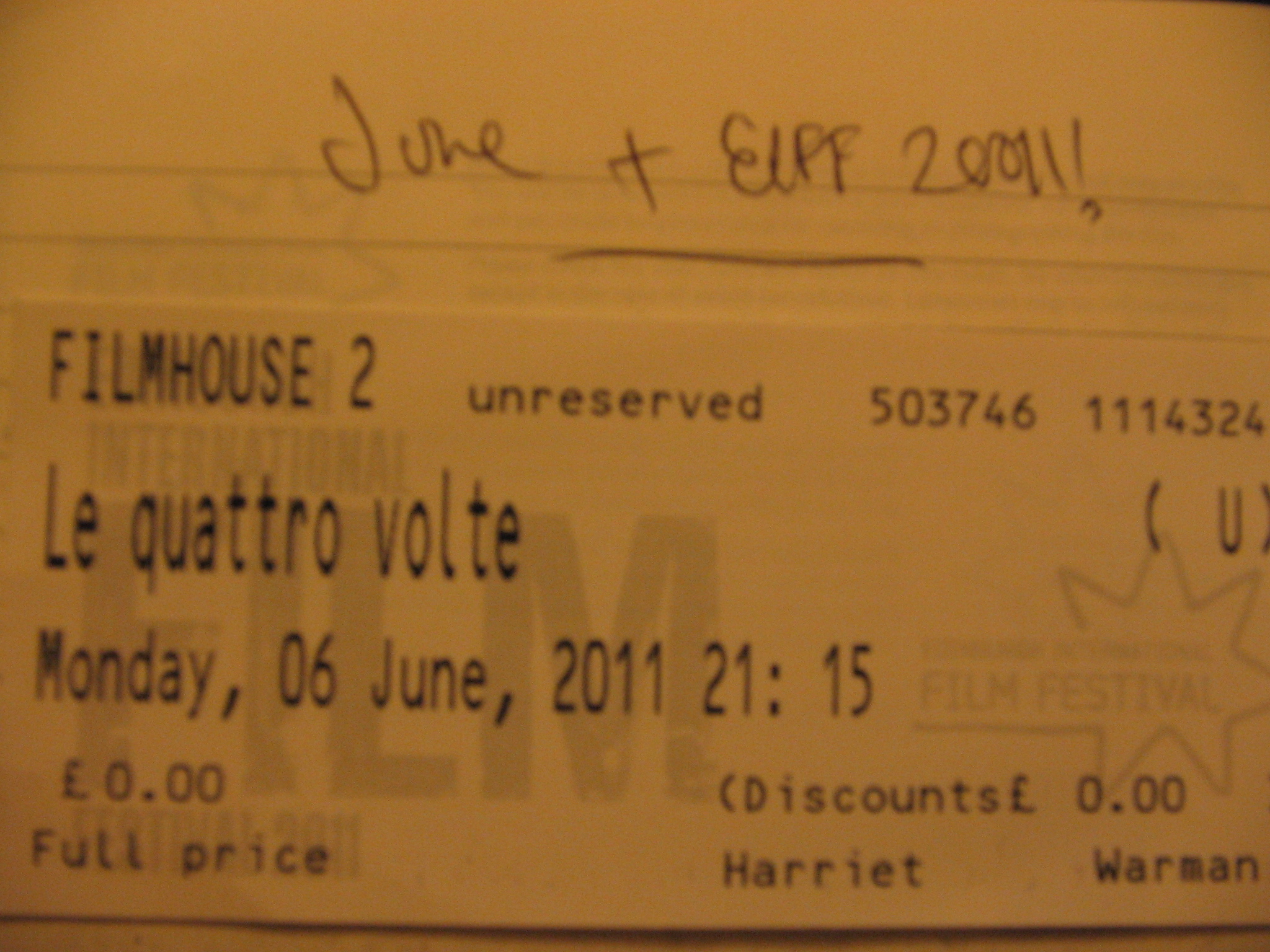
Le Quattro Volte, on the other hand, directed by Michelangelo Frammartino also contained one scene that seemed choreographed like a dance, although so precise as to utterly convince as an hilarious accident, involving a dog, a truck and some goats. An almost wordless film, philosophical in intention – I’m stuck as to other films I’ve seen recently that so perfectly combined form and content. I didn’t want it to end.

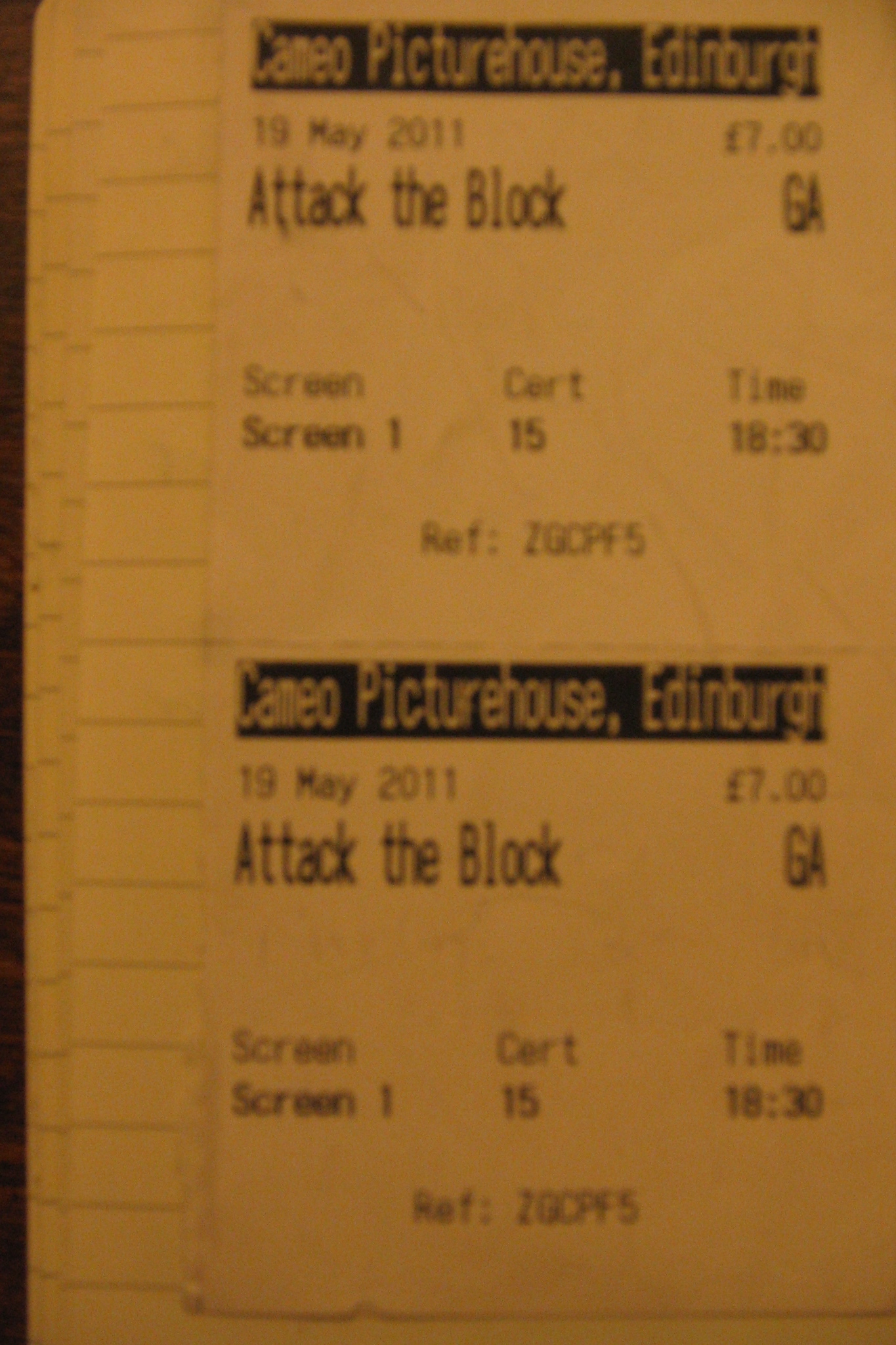
In total contrast to that I really enjoyed Attack the Block, the directorial debut of Joe Cornish, one half of comedy team Adam and Joe(the other being Adam Buxton, of course). Wearing its horror and sci-fi influences firmly on its sleeve, Attack the Block gloriously celebrated the underdog and the delights of analog effects. The simplicity of the creature design – a beast with seemingly impenetrable black fur and the wittiness of the dialogue combined for a truly refreshing and hilarious British film.

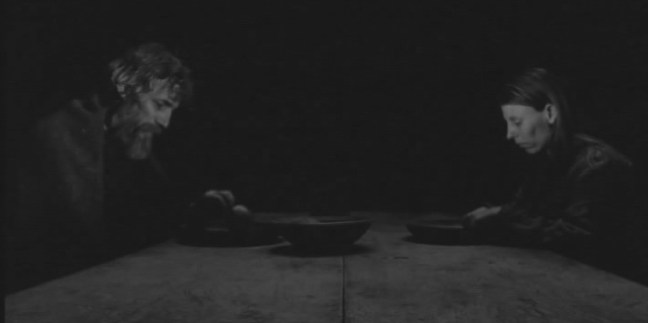
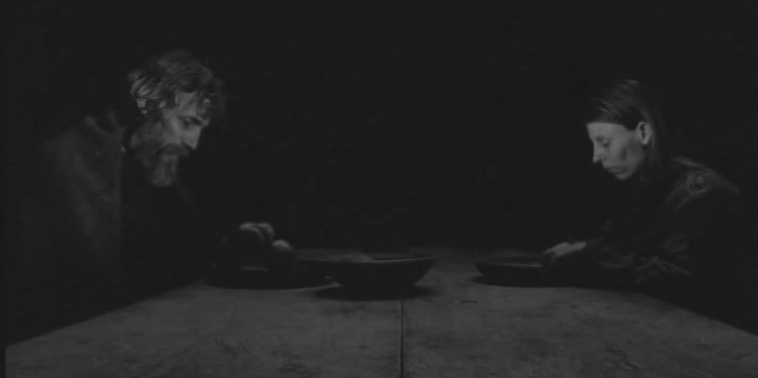
Speaking of darkness – never has it been put to such startling use than in Béla Tarrs’ Turin Horse. Bleak in tone, repetitive in its plot and seemingly negative overall – I was captivated. Not one to see if you require your films to have explosions, or character development or a happy ending but if, like me you appreciate a unique world view about humanity and survival, then I wholeheartedly recommend you seek out this film. Especially as Béla won’t be making any more – as he said himself at the Edinburgh International Film Festival 2011: this film expresses all he has to say, and being about ‘apocalypse’, is a fitting end to a near 40-year career.

Also at EIFF last summer I had the pleasure of attending a screening of Apichatpong Weerasethakul’s Mysterious Object at Noon (2000). Having spent some time working through the feature films of this most marvellous Thai director I was excited to see his early work on screen – a rarity for sure (discussion of those can be found elsewhere on this blog). ‘Joe’ as Apichatpong likes to be referred to, had sent a video introduction in his absence at the screening, and he described how the conditions of making the film were so unique and special they could never be repeated – something that can certainly be said of his other works. An impression is given of a truly magical filmmaking process and a film that seems to evolve instinctively rather than being planned down to the last detail. If you ever get the chance to see any of Joe’s films at the cinema – take it!

In a similar vein there was another retrospective title that has proven itself one of the more memorable screenings of 2011. I have read a lot about Terrence Malicks’ The Tree of Life being the top of ‘best film’ lists for last year (notably in Sight & Sound) but if was the restored version of Days of Heaven (1978) by the same director that really affected me. Projected at Filmhouse in glorious 70mm this was the perfect cinema experience. The story concerns a family of sorts who work as farm labourers – Bill (Richard Gere) and his lover Abby (Brooke Adams), pose as brother and sister to be more respectable, whilst keeping Bill’s sister Linda (Linda Manz) under their care. Their seemingly simple, tough but somewhat idyllic life becomes disrupted when the land owner (played by Sam Shepherd) falls for Abby. Malicks’ technique of using only natural light is never more spectacularly demonstrated than in the scenes of the cornfields at dusk, and sitting in the dark I was mesmerised.

Margaret

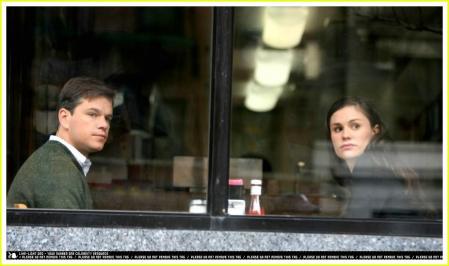
Moving back into the 21st century one of the last films I saw last year was also the best. Being someone who has championed Kenneth Lonergan’s You Can Count on Me (2000) for many years, I was keen to say the least to see his latest film Margaret. The film was actually made in 2005, but due to disagreements with the films’ financiers Camelot Pictures and Fox searchlight (that Lonergan failed to fulfil the terms of his contract, having gone over budget and failing to deliver a film of the agreed length, and on time) the film is only now seeing the light of day – and only just. In an attempt to ‘bury’ the film, Fox gave no press screenings and only after demands from London critics and twitter/Facebook users to give the film more screenings has it gotten a wider release in the UK – an example of social networking being put to good use.

This is all only important because the film itself deserves to be seen. It has obvious flaws – its length, how messy it is and a central character (Anna Paquins’ astonishing performance as Lisa) that is very difficult to like. At the core though is a portrait of New York – damaged and traumatised post- 9/11 and portrayed beautifully by Lonergan as a place where traffic is constant, but only occasionally do people really relate to each other.

There were many more fantastic films released in 2011, and some of them I only managed to see on DVD, but they are too numerous to mention here. I’ve already had one most memorable experience this year – Raúl Ruiz’s four and a half hour epic, Mysteries of Lisbon, which proved itself to be a true feast of cinema. I hope the year’s cinematic treats provide more opportunities for investigation.