My week in film: Les Misérables, Django Unchained and a Stillman/Renoir double bill

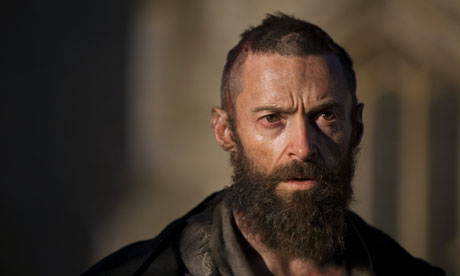
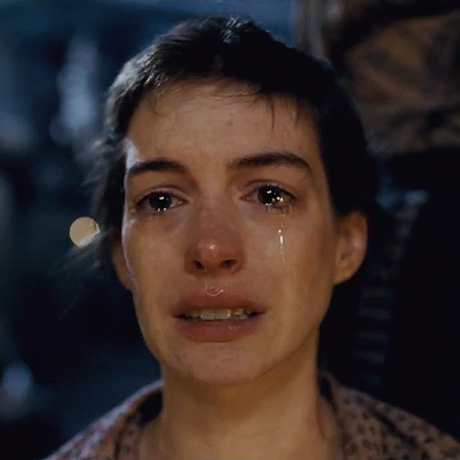
Puzzlingly, I had some positive expectations for Golden Globe winning, Oscar and BAFTA nominated, Les Misérables – puzzling because award giving bodies so commonly give awards to the most generic and unimaginative examples of filmmaking (I’m thinking Chicago as Best Picture Oscar in 2003). The others amongst it that are nominated for most of the ‘top’ awards are Life of Pi, Silver Linings Playbook, Lincoln etc – which appear safe choices and none of which feature on my best of 2012 list – but then again I haven’t seen also heavily nominated; Zero Dark Thirty yet. Regardless, I did expect to be impressed by Les Misérables and in part, I was. On song … Hugh Jackman as Jean Valjean in Tom Hooper's Les Misérables.A post-French revolutionary (though historical clarity is not the films strength) tale of hardship and suffering, adapted from the longest running musical in the world – Les Mis is prime award bait, affording its performers plenty of opportunity to emote whilst acting and singing. The acting and singing aren’t really separated, unlike in the classic incarnation of the musical genre. Speech bleeds into song in one stream of angst and emotion – most successfully by Hugh Jackman as Jean Valjean – ex-convict turned town mayor. Another impressive moment was that carried by Anne Hathaway as Fantine as her rendition of ‘I Dreamed a Dream’, involved delivery that ranged from whispered desperation to belted, raw affirmation. Hers is the moment that has most lingered in my mind; it being perhaps the most perfect instance of musical performance enhanced by that singular cinematic thing – the close up – a technique that director Tom Hooper (The King’s Speech) utilises for each of his performers, but none so poignantly than here. anne-hathaway-les-mis

Elsewhere the music is actually quite banal, and Russell Crowe really is that bad a singer – and painfully exposed as such when called upon to duet with Jackman. For his casting alone I cannot accept Les Misérables as the ‘masterpiece’ it has been lauded as by so many. Eddie Redmayne as love struck Marius also impresses vocally – and Madame and Monsieur Thénadier (Helena Bonham Carter and Sacha Baron Cohen) provide welcome comic relief in some intelligently choreographed vaudeville inspired scenes.

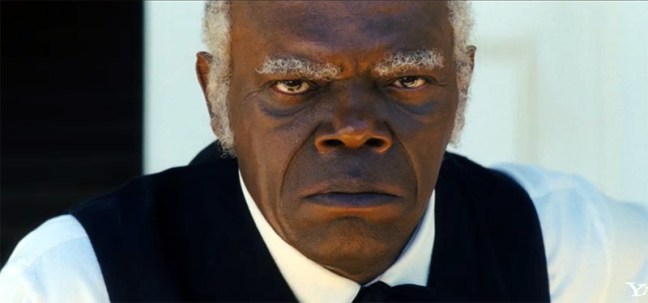
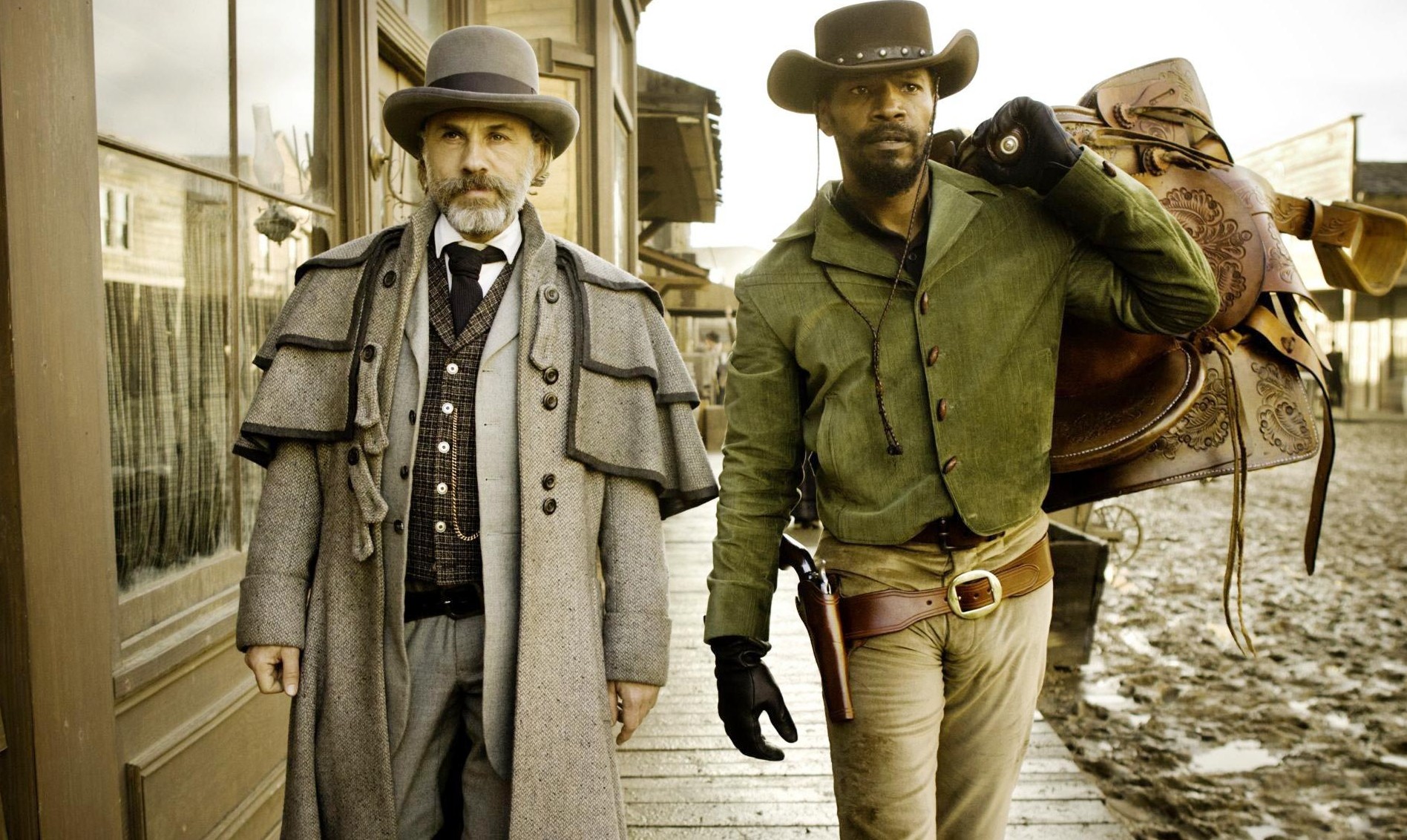
Django Unchained has inevitably attracted controversy (even today it was announced that the collectible figurine merchandise from the film were to be pulled from sale by the Weinstein Company) – its liberal use of the ‘n’ word and blending of cinematic genres were to be expected from director Quentin Tarantino in his depiction of slavery via spaghetti western tropes. The most frequent complaint on my radar since its release however, is that its length – 165minutes – is excessive, Tarantino having indulgedjango-unchained-photo-e1358454650135d in one too many scenes in the climactic third act. This plot messiness which serves to build further tension and emancipate Django (Jamie Foxx) fully, even (sadly) from his loyal, white friend, only enriches the film, as Tarantino seeks to give his titular character the ultimate face-off – not with the oppressive whites but with that of loyal slave Stephen (Samuel L. Jackson) who becomes the last man standing in his way. Jackson’s performance is exemplary; combining private and public personas developed from a lifetime of servitude for survival.

As with all his films, Tarantino demonstrates his passion for wordplay and in Christoph Waltz, who so aptly handled his stylised articulacy in Inglourious Basterds (2009); Tarantino has perhaps found the perfect match. His Dr King Shultz is a delight to watch, Waltz displaying effortless charm and charisma with every line reading. It’s the kind of performance that makes one forgive any flaws a film might otherwise have. (One of which is the lack of strong female characters, but there are better writers than I – Anne Billson – to have handled this critique). Such rewarding features, combined with a standout soundtrack render the film’s protracted running time inconsequential to its enjoyably gleeful pace.

3584cae7c832ec4192057ab435c908ab

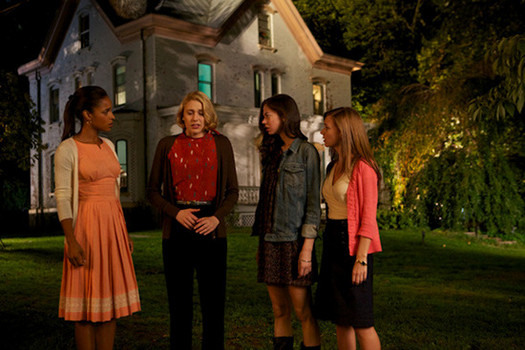
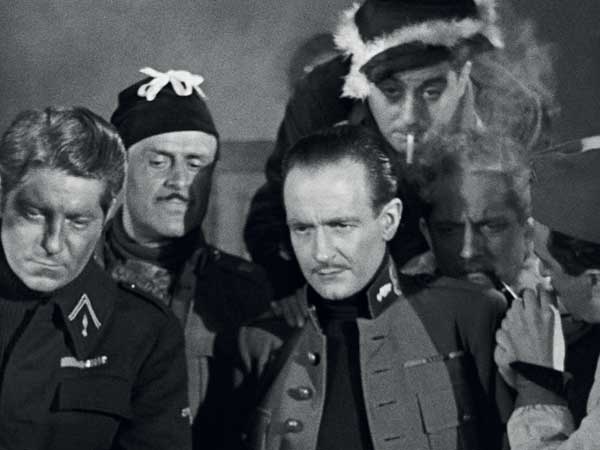
A double bill this week proved surprising as Damsels in Distress (Whit Stillman, 2012) – via the presence of a poster on a character’s wall – urged me to follow it with La Grande Illusion (Jean Renoir, 1937). The similarities between these two hugely different (stylistically) films lie in their treatment of class and social inclusion, but where Renoir’s canonical film sees humanity transcend social barriers during wartime, Stillman’s vision of college life ponders such ideas as, dating as social work and eccentricity versus conformity. Starring Greta Gerwig as the sometimes oblivious yet well-intentioned Violet; Damsels in Distress takes a whimsical, nostalgic look at campus life as Violet seeks to cure suicidal depressions with tap dancing and donuts and no-one seems to own a mobile phone. La-Grande-Illusion-featureOf course campus college life is not akin to the life of the prisoner of war, but Renoir’s classic film – though hugely successful on release – was criticised for depicting its detained officers as enjoying the benefits of amiable guards, generous and wealthy relatives and goodwill amongst soldiers. Indeed, seeing the characters of La Grande Illusion put on a show for the benefit of their comrades, I couldn’t help but think of Whitman’s musical pastiche at the end of Damsels – both groups in enclosed worlds never fail to see the benefit of morale-boosting dance numbers.

Also watched:

Celeste and Jessie Forever, Lee Toland Kriegar

This is 40, Judd Apatow

My week in film: The Impossible, Anna Karenina, Wild Combination and a little Cronenberg

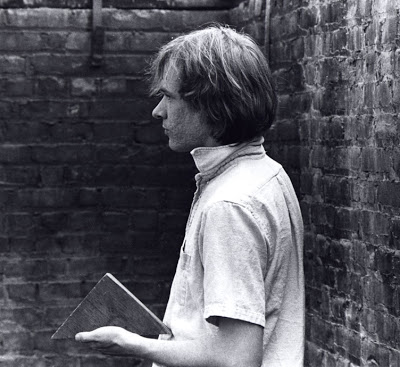
The soundtrack to Keep the Lights On included many beautiful tracks by Arthur Russell, a musician whom I had previously no knowledge of. Wild Combination: A Portrait of Arthur Russell directed by Matt Wolf went some way to rectify this, it being a thoughtful documentary portrait that gives plenty of weight to what kind of person Arthur Russell was, as well as the particularity of his ‘genius’.

russell2Interviews with Russell’s parents, colleagues, friends – such as Allen Ginsberg – form a diversity of opinion on the late composer and musician but boyfriend Tom emerges as his tireless promoter, without whom Russell’s catalogue of recordings might never have been heard. The drawback to the far-reaching character analysis provided via contributions from friends and collaborators is that Russell’s music ends up being the one thing that doesn’t get enough attention. Performances are cut short and recordings given in snippets, so that the editing style is as frenetic and distracted as Russell’s demonstrable working method appears to be. It’s a shame really, as further insight from professional musicians and critics might have revealed more about the film’s subject than the testimonies of his contemporaries. TheImpossible_620_120312


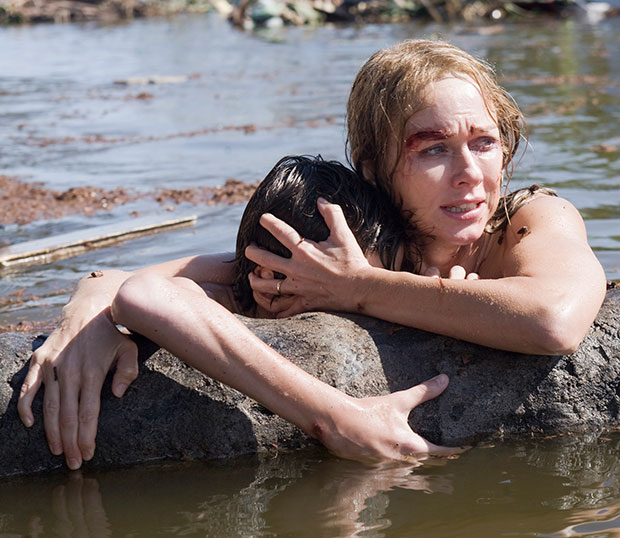
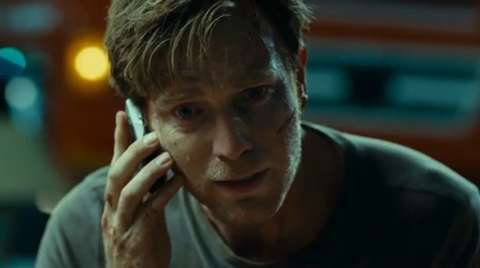
The Impossible could aptly be described as a horror film, following director Juan Antonio Bayona’s The Orphanage – it’s a visceral depiction of a tsunami and its impact on the fragile human body. Watching it I realised I had never actually thought about the sheer force of water, and after I couldn’t help but recall such shallow, romantic depictions of glorious death by tsunami such as Tea Leoni and Maximilian Schell standing on the beach in Deep Impact (1998). The family at the heart of the film are perfunctorily bland – if a little idealised as headed by Ewan McGregor and Naomi Watts – but its clear from the screen time given to the physical ordeals of each member that how the experience affects them, rather than who they were before that’s what really matters. ewan-the-impossibleThe performances are remarkable throughout; particularly that of Watts and Tom Holland – who plays eldest son Lucas – in the early scenes as they fight to survive whilst being carried at great speed by the giant wave. Bayona used a combination of CGI and actual scale models and tanks with gallons of water to create the wave, out of a desire for authenticity. With this in mind, the physical endurance of the actors seems all the more impressive and the result is immersive – a truly cinematic rendering of pure destruction, and one that is often hard to watch. McGregor also impresses as determined father, Henry, providing one of the most heartbreaking phone call scenes I’ve ever seen, beautifully simple in its delivery of a desperate message. Though The Impossible isn’t a film one would rush to see again, the horror is suitably rewarded through the melodrama of the family’s reunion and the chill of what their lives will become as a result of surviving. eastern-promises

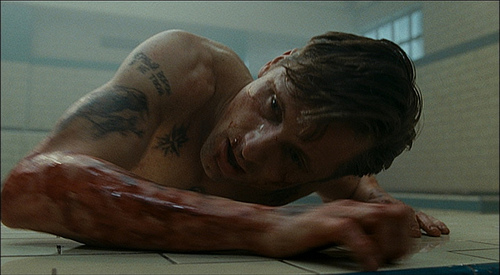
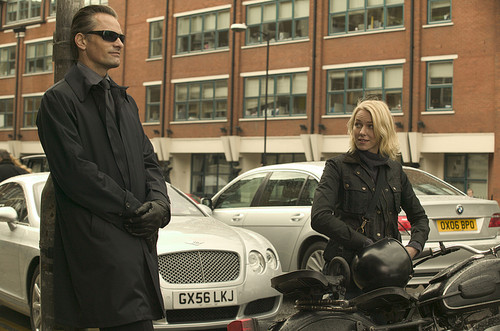
Impressed as I was by Naomi Watts I decided that seeing another of her performances would also provide an excuse (as if I needed it) to finally kick-start catching up with Cronenberg – a director who’s films I haven’t seen enough of. Eastern Promises (2007) is a London set tale of a Russian mob family who unexpectedly pique the interest of nurse, Anna (Watts) when she finds a diary belonging to a teenage Russian girl who dies on her ward during childbirth. Investigating the origins of the girl and a potential family for the baby leads down a dark path towards terribly violent, fiercely loyal and protective criminals. Anna’s interest in the welfare of the child is explained by a hinted at back-story involving a miscarried child, but once established, the complexities of her motivations are underplayed to make room for the more showy role – that of Viggo Mortensen as ‘driver’ Nikolai. Cronenberg’s oft-discussed fascination with the invasion of the body through violent acts is given a memorable treatment in a standout scene involving a naked Mortensen and some standard thugs. Mortensen’s body – his skin decorated with symbolic tattoos; is exposed and vulnerable as he gains more bloody markings fighting for his life. Having only previously seen The Fly, eXitenZ and parts of Rabid, Eastern Promises seemed less hysterical, but no less unnerving and has certainly inspired me to continue with my catch up. Keira-Knightley-Anna-Karenina

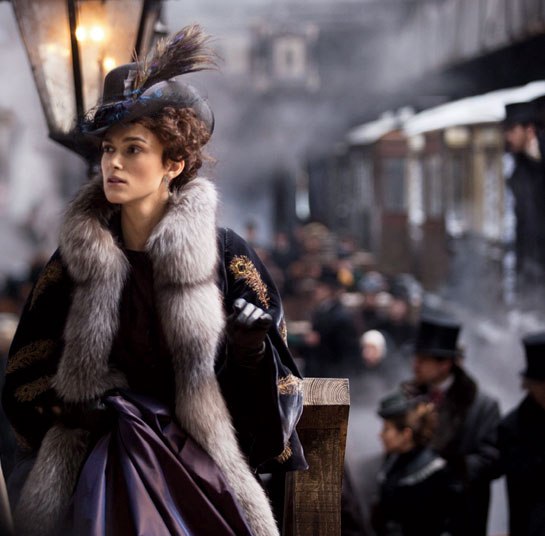
Its awards season, so aside from The Impossible, I was interested to seek out other nominated/winning films and not wanting to fight the crowds for Les Misérables this weekend I opted for Joe Wright’s BAFTA nominated Anna Karenina, in the running for the Outstanding British Film award alongside Skyfall, the aforementioned musical adaptation, Best Exotic Marigold Hotel and Seven Psychopaths. Wright’s adaptation of the classic Tolstoy novel imagines Russian society and its self scrutiny as grand theatre in which the staging moves around the actors, rhythmically creating an atmosphere of high drama played out for its own (and the audiences) entertainment. Once this device is established however, it soon becomes tiresome, not to mention dizzying as the attempt is made to find inventive ways to maintain the aesthetic. Keira Knightly, as Anna is excellent however, demonstrating graceful and engaging emotion that lifts the film out of its theatrical confines. Domhall Gleeson as Levin is also hugely sympathetic – his subplot regarding the guilt of privilege and the anxiety of resolving one’s political and romantic ideologies is perhaps the best thing in the film.

Also watched:

Death Proof, Quentin Tarantino

His Girl Friday, Howard Hawks.

Coming up, Les Misérables, Django Unchained and a continuing catch up with Cronenberg – now won’t that be exciting?!


My week in film: Point Break and suspending disbelief, in Life of Pi

Warning: this post has curiously ended up being about the endings of films, details of which are revealed!

This week’s film journal excitingly includes films watched whilst suffering from post-hogmanay celebrations, i.e. A New Year’s Day Hangover. I’m sure readers will have their own favourites or go-to films when under the influence of dehydration and/or nausea and perhaps the consensus would be that a hangover film should be an unchallenging watch, possibly comedy and generally intended to make one feel better. My choices this new-year were, in order: Point Break (Kathryn Bigelow, 1991), The Breakfast Club (John Hughes, 1985) and Gran Torino (Clint Eastwood, 2008).swayze-point-break

Until The Hurt Locker, Bigelow’s films always made me feel a little creepy. Strange Days (1995) is an elaborate dustpan take on ‘unmediated’ virtual reality and The Weight of Water (2000) does nothing to promote poetry as a form of seduction. Nevertheless I anticipated good things from Point Break, which has been much celebrated for its action set pieces, including surfing, skydiving and gunfights. Its also been much critiqued and theorised with regards to its treatment of the male body; which appears the object of the fe(male) gaze as stars Keanu Reeves and Patrick Swayze are seen either showing flesh and/or fetishised for the feats of strength and agility that their toned bodies are capable of (books about this can be found here and here). point_break_patrick_swayze_kathryn_bigelow_010_jpg_hfne

Point Break is less of a cop buddy movie – though Reeves does have a cop buddy in the form of Gary Busey – and is more that classic love story between the officer of the Law (Reeves) and the criminal he hunts (Swayze). My perspective on seeing the film was therefore clouded by preconceptions such as those mentioned above; but what surprised me (aside from just how awesome the action is) was that I didn’t believe the decisions that Reeves character makes. Such is his respect and awe for Swayze’s surfing Zen master, he puts aside justifiable anger at his girlfriends kidnapping and torture (not to mention the death of several people) and gives his blond beauty what he wants: a glorious death rather than a humbling imprisonment. True love I suppose and though not plausible considering the lengths gone to catch him, a more spectacular ending.

The-Breakfast-ClubWatching The Breakfast Club for the second time in my life brought the realisation that a lot of the running time is spent in boredom watching bored, boring adolescents. So many quiet scenes of broad characters and their representative foods/wining/body language/dance moves. Also noticed that after that scene “I HATE you!” its actually inexplicable how Clare (Molly Ringwald) ends up with Bender (Judd Nelson) at the end – and I’m not convinced this was Hughes dark comment on just how much Clare hates herself. Anyway, on new-year’s day it ended up being the perfect segue into a nap… clint_eastwood_gran_torin_2008_movie_photo_18

Gran Torino also came loaded with expectations and contained lots of drawn out repetitive scenes involving Mr Eastwoods’ parody of his own classic Dirty Harry persona. It’s really quite convenient that his character talks to himself; otherwise one would be robbed of many witty asides about how he hates everyone. Ultimately I thought Gran Torino dragged out its set-up and was simply too long.

LRA_life_of_pi_14At the cinema, Life of Pi directed by Ang Lee was thrilling and spectacular, proving that some films do benefit from the third dimension. Adapted from the book of the same name by Yann Martel, its framed as a conversation between Pi Patel (Irrfan Khan) and a writer i.e. Martel (Rafe Spall) as the former tells the amazing story of how he survived a shipwreck alongside a Bengal tiger called Richard Parker. Early on in Pi’s story, we see his father warn his two sons not to be fooled by religion, as its all ‘spectacle’. The adventure includes glowing jellyfish and a whale breaching over the lifeboat, a carnivorous island and of course, living alongside a dangerous predator – spectacle – it could be argued, is the film; as suspension of disbelief allows one to be caught up in Pi’s incredible quest. This makes for a very enjoyable cinematic experience, particularly the seamless way in which live action is blended with CG. life-of-pi-fishThe final part of Pi’s account is that of relating the story to the Japanese Transport Ministers whilst recovering from his ordeal. Not believing him, he tells a different version of events that is more believable and less fantastic. What is problematic is the simplistic way that Pi’s story is related back to his faith. Having heard both accounts of his survival, the writer is asked; “which do you prefer?” to which he responds; “the one with the animals, it’s a better story” eliciting the reply from Pi; “And so it goes with God”. The ‘better’ story is one that allows for belief in the incredible without reliance on facts or logic – in other words, pure faith. To be a cynic, or atheist is to lack imagination – to reject spectacle – as Pi’s father did.

This is a particularly banal and reductive way to understand faith carried over from the book and one that is disarming, if – like me – you’re an atheist who’s just allowed the preceding adventure to entertain and amuse you. Life of Pi is perhaps best thought of as a wildly successful exercise in suspending disbelief, whilst affirming faith in that fantastic thing: cinema.

Also watched:

The Lady Vanishes, Alfred Hitchcock.

Where Do We Go Now? Nadine Labaki

Up, Pete Docter, Bob Peterson.